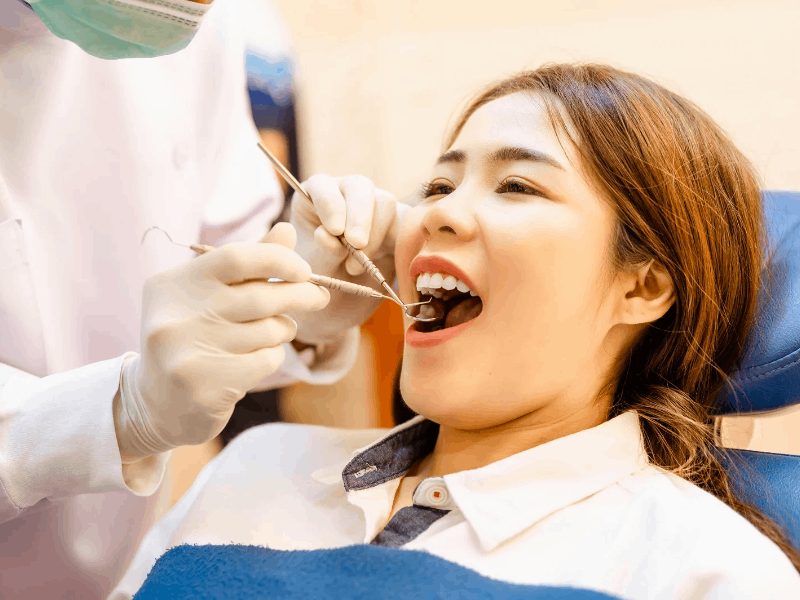
Single Tooth Implants Wellington – Replace
One Missing Tooth

Book a dental appointment04 213 5355

Have you lost a tooth due to an accident, decay, infection or another dental problem? A single tooth implant in Wellington may be an option for replacing the missing tooth and restoring chewing function and appearance.

Johnsonville Family Dentist helps patients explore dental implant restorations and other suitable options for replacing missing teeth.

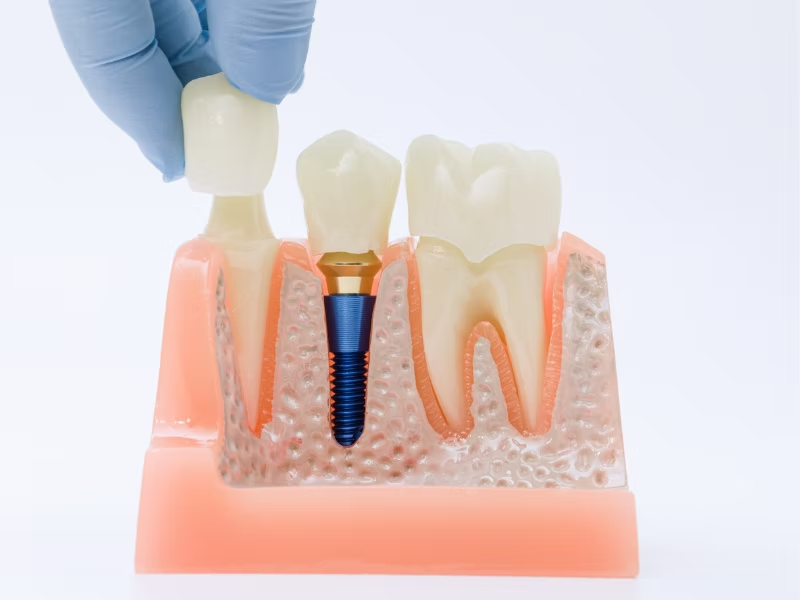
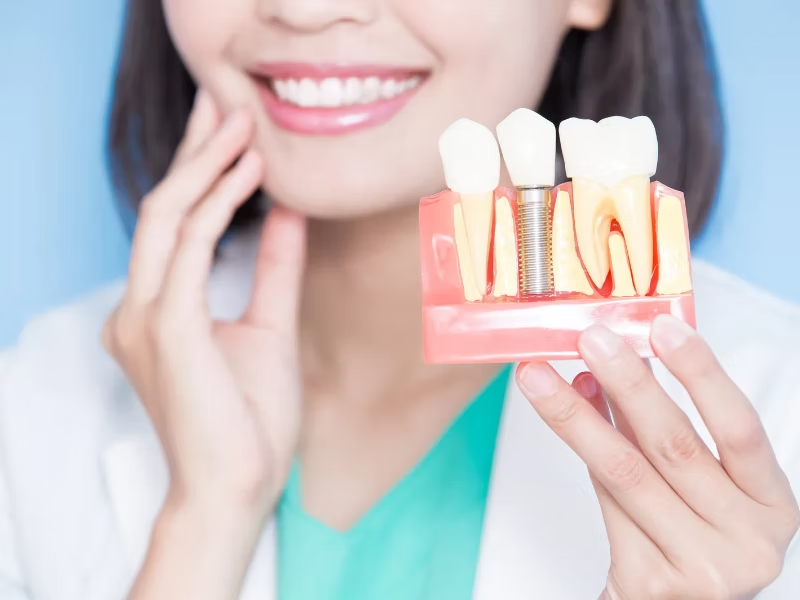
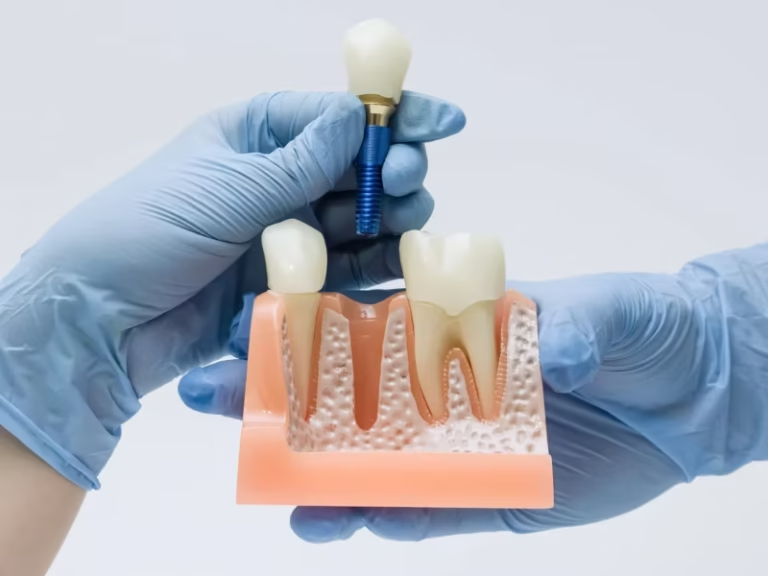
A single tooth implant typically consists of an artificial tooth root placed into the jawbone and a custom-made dental crown fitted above it. The aim is to provide a fixed replacement without relying on neighbouring teeth for support.

Located in Johnsonville, our clinic welcomes patients from Newlands, Churton Park, Broadmeadows and surrounding Wellington suburbs.

An assessment can help determine whether a single dental implant is suitable for your needs.

Book a Single Tooth Implant Consultation | Call 04 213 5355

Single Tooth Implant Treatment in Johnsonville

Losing even one tooth can change the way your mouth functions.

Depending on the location of the missing tooth, you may experience difficulty chewing, changes in appearance or movement of nearby teeth over time.

Replacing a missing tooth may help restore the affected area and maintain function.

At Johnsonville Family Dentist, we can assess your dental condition, discuss suitable tooth replacement options and explain the treatment or referral pathway that may be appropriate.

Dental implants are one option, but the decision should be based on your oral health, jawbone, neighbouring teeth and individual treatment goals.

Benefits of Replacing One Missing Tooth with a Dental Implant

A single dental implant may offer several advantages over other replacement options.

Natural-Looking Tooth Replacement
The implant-supported crown can be designed to resemble neighbouring teeth in colour, shape and appearance.
The final result depends on the gum tissues, implant position and individual oral conditions.

Improved Chewing Function
Replacing a missing tooth may improve chewing comfort and help distribute biting forces more appropriately.

Preserving Neighbouring Teeth
Unlike some conventional dental bridges, an individual implant-supported crown does not generally require neighbouring healthy teeth to be prepared to support the replacement.

Fixed Tooth Replacement
An implant-supported crown is fixed in place and does not need to be removed for daily cleaning like a removable partial denture.

Support for Bone Maintenance
Dental implants transfer functional forces to the surrounding jawbone and may help maintain bone around the implant site.
However, implants do not guarantee prevention of jawbone loss.

Long-Term Treatment Option
With appropriate treatment, oral hygiene and professional maintenance, dental implants can function for many years.
Implants can still develop complications, and their crowns or other components may eventually need repair or replacement.

What Is a Single Tooth Dental Implant?

A single tooth implant is a dental restoration designed to replace one missing tooth.
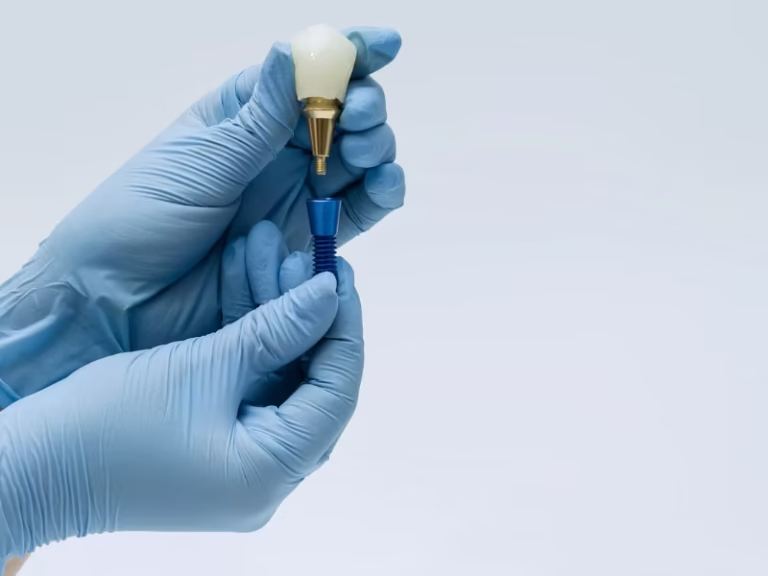
It generally consists of three components.

1. Dental Implant Fixture
A small implant, commonly made from titanium or a titanium alloy, is surgically placed into the jawbone to act as an artificial tooth root.
Following placement, the surrounding bone may integrate with the implant surface through a process called osseointegration.

2. Implant Abutment
An abutment connects the implant fixture to the replacement tooth.
Its design depends on the implant system, surrounding tissues and restorative requirements.

3. Custom-Made Dental Crown
A dental crown is attached to the implant to replace the visible part of the missing tooth.The crown is designed with consideration for neighbouring teeth, bite alignment, shape and appearance.

Together, these components provide a fixed tooth replacement when treatment is successful and clinically suitable.

What Happens During Single Tooth Implant Treatment?

Single tooth implant treatment involves planning, surgical placement, healing and restoration.

The treatment process varies depending on whether the tooth is already missing, whether extraction is required and the condition of the surrounding bone.

Step 1 – Initial Consultation and Dental Assessment
Your dentist will examine the missing-tooth area, surrounding teeth and gum tissues.
The consultation may include:

  • Discussion of your medical and dental history
  • Assessment of the missing-tooth space
  • Examination of neighbouring teeth
  • Review of your bite
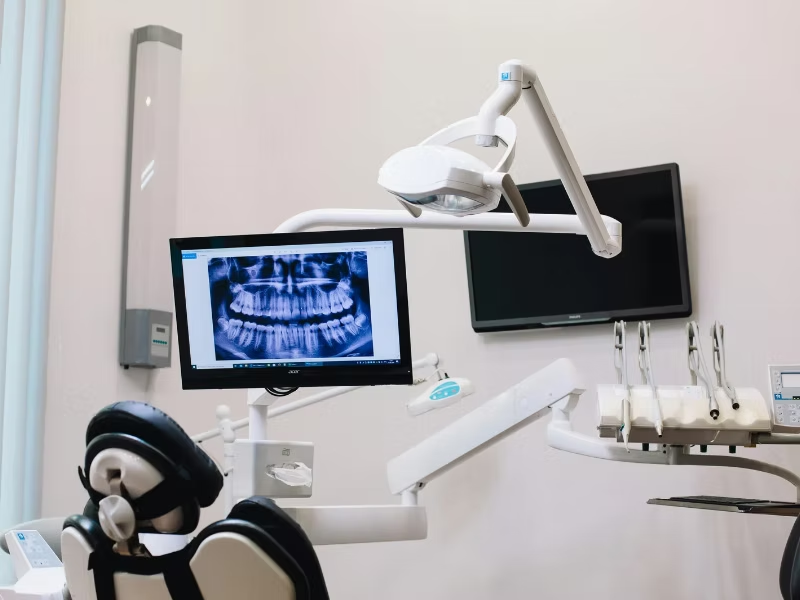
  • Dental X-rays
  • Three-dimensional imaging where clinically indicated
  • Discussion of treatment options and costs

The findings help determine whether an implant is appropriate.

Step 2 – Treatment Planning
A treatment plan is prepared based on the available jawbone, tooth position, gum health and intended restoration.
Some patients may require additional procedures, such as treatment of gum disease, removal of a damaged tooth or bone augmentation.
Your dental team will explain the proposed stages, estimated timeframe and any referral requirements.

Step 3 – Implant Placement
When appropriate, a dental implant fixture is surgically placed into the jawbone by a qualified treating clinician.
Local anaesthetic is commonly used during implant placement.
Depending on the clinic’s treatment arrangements, surgical placement may be performed by a separate implant clinician or specialist before the restorative stage.

Step 4 – Healing and Bone Integration
After implant placement, the tissues need time to heal.
The surrounding bone gradually integrates with the implant, providing support for the future crown.
This process commonly takes several months, although healing times vary.

Step 5 – Custom Dental Crown
Once the implant is suitable for restoration, an abutment and custom-made dental crown are fitted.
The dentist checks the crown’s shape, contacts with adjacent teeth and bite alignment.
The aim is to provide a functional replacement that suits your existing teeth.

Step 6 – Ongoing Maintenance
Regular dental appointments and appropriate daily cleaning help maintain the implant restoration and surrounding tissues.
Your clinician will recommend a suitable maintenance schedule.

Who Is Suitable for a Single Tooth Implant?

A single tooth implant may be suitable for adults who are missing one tooth and have adequate oral and general health.

Important considerations include:

Jawbone Availability
The implant requires sufficient bone support. If there is inadequate bone, additional treatment or an alternative restoration may be recommended.

Gum Health
Active gum disease may need treatment before implant therapy. Healthy surrounding tissues are also important for ongoing maintenance.

Medical History
Certain medical conditions and medications can influence healing and implant treatment decisions.

Smoking
Smoking increases the risk of healing difficulties and implant complications.

Condition of Neighbouring Teeth
The position and health of adjacent teeth affect treatment planning and the space available for an implant crown.

A clinical assessment is necessary before deciding whether implant treatment is suitable.

Single Tooth Implant vs Dental Bridge – Which Is Better?

When replacing one missing tooth, patients may have several treatment options.

Single Tooth Implant
A single implant replaces the missing tooth using an independent fixture and crown.
It does not usually require preparing neighbouring healthy teeth for a conventional bridge.
However, it generally involves surgery and a healing period.

Dental Bridge
A conventional bridge replaces the missing tooth by attaching a restoration to neighbouring teeth.
This option may be appropriate when adjacent teeth already need crowns or when implant placement is unsuitable.

Removable Partial Denture
A removable partial denture can replace one or more missing teeth without implant surgery.
It may be suitable as a temporary or longer-term option depending on individual circumstances.
The most appropriate treatment depends on oral health, costs, preferences and clinical findings.
Related Service: Dental Bridges Wellington

Can a Single Tooth Implant Replace a Front Tooth?

Single tooth implants may be considered for missing front or back teeth.

Front-tooth replacement requires careful attention to the gumline, appearance, available bone and the position of nearby teeth.

In some cases, an implant-supported crown may provide an appropriate aesthetic and functional restoration.

However, not every patient is suitable for implant placement in a visible area, and additional treatment may be needed.

Your dentist can assess the tooth position and explain suitable options.

How Much Does a Single Tooth Implant Cost in Wellington?

The cost of replacing a missing tooth with a dental implant depends on the treatment required.

Factors that may affect the total cost include:

  • Consultation and diagnostic imaging
  • Tooth extraction, if required
  • Bone grafting or additional procedures
  • Implant surgical placement
  • Implant fixture and abutment
  • Custom-made dental crown
  • Laboratory work
  • Follow-up appointments
  • Any specialist treatment or referrals

The complete cost should be considered rather than the implant fixture alone.
After an assessment, the dental team can explain the proposed treatment plan and expected fees.

For current consultation information, contact Johnsonville Family Dentist on 04 213 5355

Recovery and Aftercare Following Single Tooth Implant Treatment

Some swelling, tenderness or bruising may occur after implant placement.

Your treating clinician will provide specific aftercare instructions based on the procedure performed.
These may include:

  • Eating suitable foods during early healing
  • Avoiding pressure on the surgical area
  • Taking medication only as directed
  • Maintaining oral hygiene according to instructions
  • Attending follow-up appointments
  • Avoiding smoking during healing
  • Reporting increasing pain, swelling or other concerning symptoms

Once the implant crown is fitted, ongoing cleaning around the implant and surrounding gums is important.

Implants cannot develop tooth decay, but inflammation and bone loss can develop around them.

How Long Does a Single Tooth Implant Last?

A successfully integrated implant may remain functional for many years.

Longevity depends on factors such as oral hygiene, gum health, smoking, general health, implant positioning and ongoing maintenance.

The implant crown may eventually require repair or replacement due to wear, fracture or other complications.

Regular dental reviews are recommended to monitor the implant and restoration.

Single Tooth Implant Consultation in Johnsonville

Johnsonville Family Dentist welcomes patients seeking missing-tooth replacement advice across Wellington.

Our clinic is conveniently located for patients from:

  • Johnsonville
  • Newlands
  • Churton Park
  • Broadmeadows
  • Grenada Village
  • Surrounding Wellington suburbs

Clinic Address: Level 1, Suite 6/120 Johnsonville Road, Johnsonville, Wellington

Phone: 04 213 5355
Contact the clinic to discuss an implant consultation and suitable replacement options.

What is a single tooth implant?

A single tooth implant is an artificial root replacement placed within the jawbone to support an individual replacement crown.

Can one implant replace one missing tooth?

Yes. A single implant-supported crown may replace an individual missing tooth when bone, gum tissues and other clinical factors are suitable.

How long does single tooth implant treatment take?

Treatment often takes several months because healing and bone integration are usually required. Some patients require additional procedures, which can extend the timeline.

Is single tooth implant surgery painful?

Local anaesthetic is commonly used during implant placement. Some swelling or tenderness may occur afterwards. Your treating clinician will explain suitable pain management.

Is a single tooth implant better than a bridge?

Neither treatment is automatically better for every patient. Implants avoid preparing neighbouring teeth in many cases, while bridges may be more suitable in other circumstances.

Do I need a bone graft for one implant?

Not always. Bone grafting may be considered when the available jawbone is insufficient for the proposed implant.

How do I clean an implant crown?

Daily brushing, appropriate cleaning between teeth and regular dental assessments are important. Your clinician can recommend suitable cleaning techniques.

How much does one tooth implant cost in Wellington?

Costs depend on implant placement, diagnostic imaging, the crown, additional procedures and any specialist involvement. A consultation is needed for an individual estimate.

Book a Single Tooth Implant Consultation in Wellington

If you are missing one tooth and considering a fixed replacement, contact Johnsonville Family Dentist to discuss your options. A dental assessment can help determine whether a single tooth implant, bridge or another restoration may be suitable.

Johnsonville Family Dentist
Level 1, Suite 6/120 Johnsonville Road, Johnsonville, Wellington

Phone: 04 213 5355
Book an Appointment Online

"*" indicates required fields

Name*
Emergency Appointment