Gum Disease Treatment Wellington – Gum
Health Assessment & Care

Book a dental appointment04 213 5355

Bleeding, swollen or receding gums can be signs of gum disease. If you are concerned about your gum health, a dental assessment can help identify the cause and determine whether treatment or monitoring is needed.

At Johnsonville Family Dentist, patients can arrange dental and hygiene appointments to assess oral health concerns, including gum inflammation and plaque build-up.

Gum disease treatment in Wellington can involve professional cleaning, changes to daily oral hygiene, periodontal treatment or specialist referral, depending on the diagnosis.

Our Johnsonville clinic welcomes patients from Newlands, Churton Park, Broadmeadows and surrounding Wellington suburbs.

Book a Gum Health Assessment | Call 04 213 5355

Gum Disease Assessment in Johnsonville

Gum disease, also called periodontal disease, affects the tissues that surround and support your teeth.

It often develops when dental plaque accumulates near the gumline and triggers inflammation.

Some people notice bleeding or swelling, while others have few symptoms until the disease becomes more advanced.

A dental examination can help identify gum inflammation, changes in gum attachment and other concerns requiring treatment.

Your dentist can explain the findings and whether routine hygiene care, further periodontal assessment or specialist referral is appropriate.

What Is Gum Disease?

There are two important forms of gum disease.

Gingivitis – Early Gum Inflammation

Gingivitis affects the gums and is commonly associated with dental plaque.
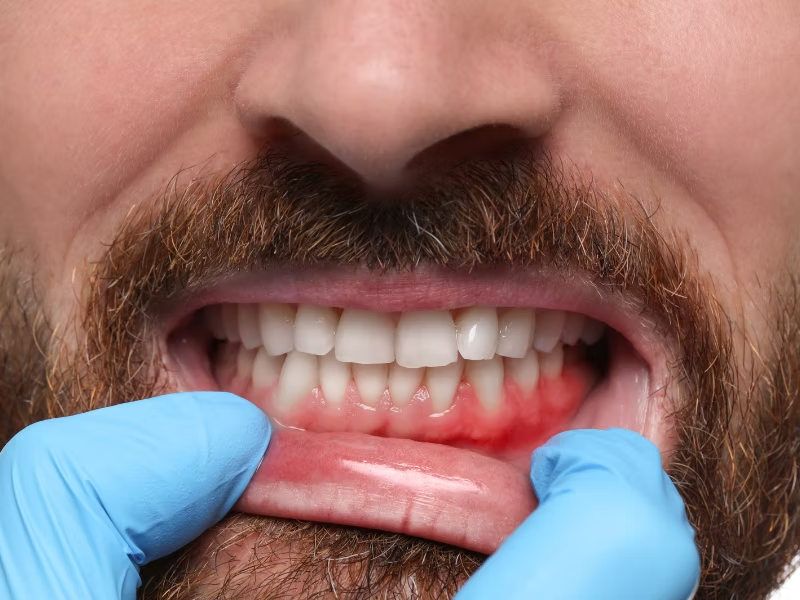
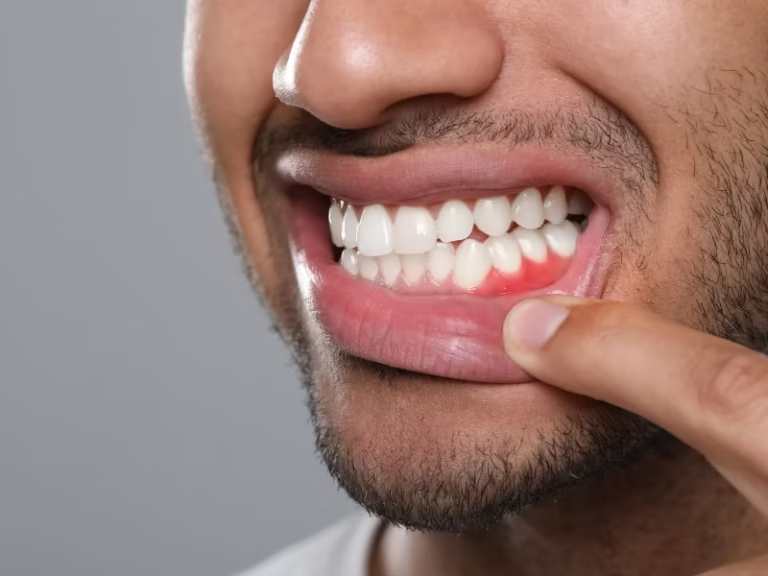
Symptoms may include red, swollen or bleeding gums.

At this stage, there is no periodontitis-related loss of supporting bone.

Gingivitis can often improve with effective plaque removal, professional cleaning and appropriate oral hygiene.

Periodontitis – More Advanced Gum Disease

Periodontitis affects the structures supporting the teeth, including the periodontal attachment and jawbone.

It can cause deeper gum pockets, recession, bone loss and, in advanced cases, tooth mobility or tooth loss.

Treatment aims to control inflammation, manage bacterial deposits and reduce the risk of further progression.

Lost supporting bone does not automatically regenerate following professional cleaning, and ongoing maintenance is important.

Common Signs of Gum Disease

Signs that may require assessment include:

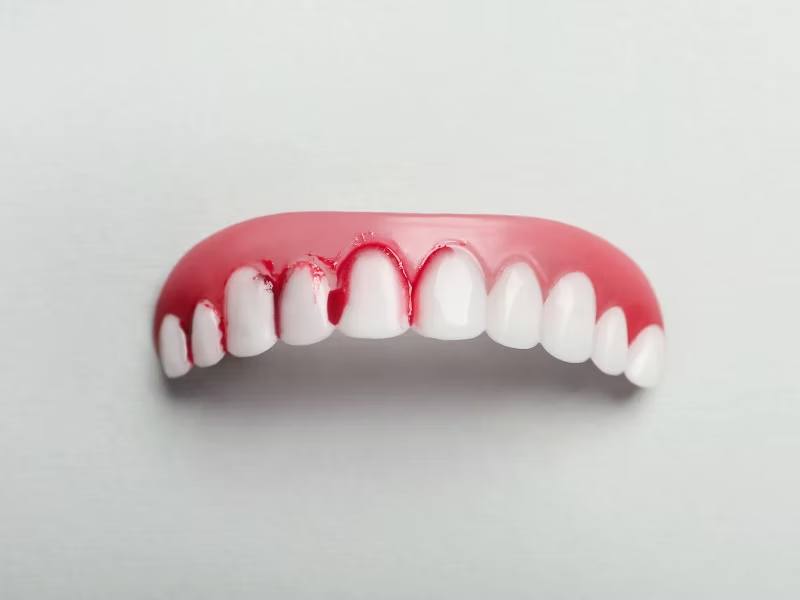
  • Bleeding when brushing or cleaning between teeth
  • Red, swollen or tender gums
  • Persistent bad breath
  • Gum recession or teeth appearing longer
  • Sensitivity around exposed root surfaces
  • Changes in tooth position
  • Loose teeth
  • Discomfort when chewing
  • Repeated gum swelling

Gum disease does not always cause pain.

Bleeding gums can also have other causes, so a professional assessment is useful rather than assuming the diagnosis.

If you experience rapidly increasing facial swelling, fever, difficulty swallowing or difficulty breathing, seek urgent medical or dental care.

What Causes Gum Disease?

Bacterial plaque accumulating around teeth and gums is a major contributor to periodontal inflammation.

Other factors may increase the risk or severity of gum disease, including:

  • Smoking
  • Diabetes
  • Family history of periodontal disease
  • Poor plaque control
  • Dry mouth
  • Certain medications
  • Difficult-to-clean areas around teeth and restorations
  • Previous periodontal disease

Your dentist may discuss relevant medical conditions, medications and lifestyle factors during the examination.

How Is Gum Disease Diagnosed?

A gum health assessment may involve several steps.

Dental and Medical History
Your dentist discusses bleeding, swelling, sensitivity, previous periodontal treatment and relevant medical information.

Gum Examination
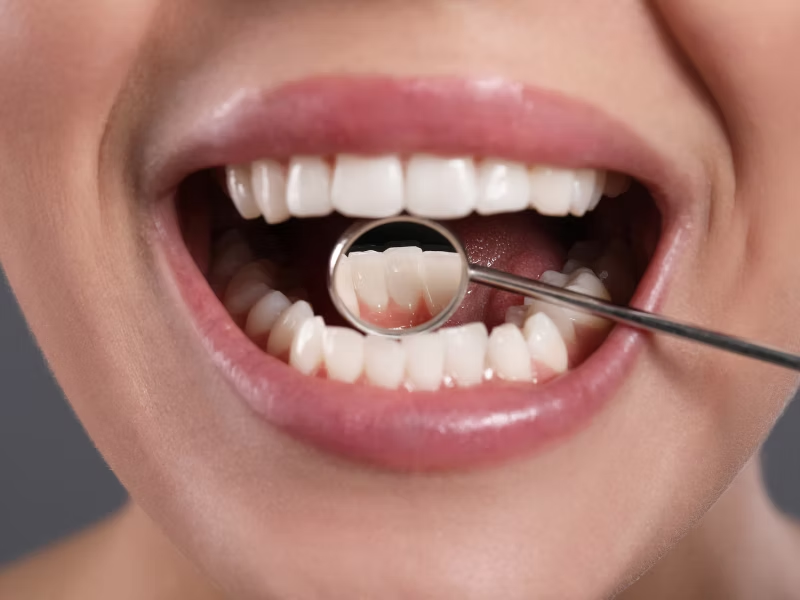
The gums are checked for inflammation, recession and visible plaque or calculus deposits.

Periodontal Measurements
A dental professional may measure the spaces between the teeth and gums using a periodontal probe.
Bleeding on probing and other clinical findings help assess gum health.

Dental X-rays
X-rays may be recommended to examine supporting bone levels and other dental structures.

Diagnosis and Treatment Planning
Your dentist explains the findings and whether they are consistent with gingivitis, periodontitis or another condition.
The appropriate treatment depends on severity, clinical needs and available services.

Gum Disease Treatment Options

The treatment required depends on the diagnosis.

Professional Dental Cleaning
Removing plaque and calculus deposits is an important part of managing gum inflammation.
Professional cleaning may be recommended alongside improvements to daily brushing and interdental cleaning.

Periodontal Cleaning
Patients with periodontitis may require more detailed cleaning beneath the gumline to manage deposits around affected teeth.
This is sometimes described as subgingival instrumentation or scaling and root surface debridement.
The need for local anaesthetic and the number of appointments depend on the clinical situation.

Personalised Oral Hygiene Advice
Your dental team may recommend changes to brushing techniques, flossing, interdental brushes or other cleaning aids.
Effective daily plaque control is important for maintaining periodontal health after treatment.

Periodontal Review and Maintenance
Follow-up assessment helps determine how the gums have responded and whether additional care is needed.
Some patients with periodontitis require ongoing periodontal maintenance at intervals determined by their risk and clinical findings.

Specialist Periodontal Referral
Complex, advanced or poorly responding cases may require assessment by a periodontist.
A periodontist is a registered dental specialist who focuses on conditions affecting the gums and other supporting tissues.
Your dentist can advise whether a referral is appropriate.

Can Gum Disease Be Reversed?

The answer depends on the type and severity of gum disease.

Gingivitis can often improve when plaque and calculus are removed and effective daily oral hygiene is established.

Periodontitis involves damage to the supporting structures of the teeth.

Treatment can help control inflammation and stabilise the condition in suitable patients, but it does not automatically reverse existing attachment or bone loss.
Ongoing care is important because periodontal disease can recur or progress.

Gum Disease and Diabetes

Diabetes and periodontal disease have a recognised two-way relationship.

Poorly controlled diabetes can increase the risk and severity of periodontal disease. Periodontal inflammation may also make blood glucose management more difficult for some people.

If you have diabetes, tell your dentist about your medical history and medications.

Dental care is part of maintaining oral health but does not replace diabetes management by your medical team.

Gum Disease Treatment vs Dental Hygiene Appointments

Routine dental hygiene appointments and periodontal treatment are related, but they are not always the same.

A routine hygiene appointment may focus on plaque and calculus removal, oral hygiene instruction and general gum maintenance.

When periodontitis is suspected, a more detailed assessment, periodontal charting and a specific treatment plan may be necessary.

Some patients require additional cleaning below the gumline or specialist management.
Related Service: Dental Hygienist Wellington

Caring for Your Gums at Home

Daily oral hygiene plays an important role in reducing plaque-related gum inflammation.

Your dental team may recommend:

  • Brushing twice daily using fluoride toothpaste
  • Cleaning between teeth with floss or suitable interdental brushes
  • Avoiding tobacco
  • Managing dry mouth with appropriate professional advice
  • Attending recommended dental and hygiene visits
  • Discussing relevant health conditions and medications
  • Seeking assessment if bleeding, swelling or loose teeth develop

The most suitable cleaning methods depend on your teeth, gums and existing dental restorations.

How Much Does Gum Disease Treatment Cost in Wellington?

Fees depend on the type of assessment and treatment required.
Cost factors may include:

  • Initial dental examination
  • Periodontal measurements
  • Dental X-rays where indicated
  • Professional cleaning
  • Additional periodontal treatment
  • Follow-up maintenance
  • Specialist referral, if necessary

A routine hygiene appointment may involve different costs from more extensive periodontal care.

Your dental team can explain the recommended appointments and available fee information following assessment.
For current consultation information, contact Johnsonville Family Dentist on 04 213 5355.

Gum Disease Assessment in Johnsonville – Serving Wellington

Johnsonville Family Dentist welcomes patients concerned about bleeding gums, gum inflammation and general oral health from Johnsonville, Newlands, Churton Park, Broadmeadows, Grenada Village and surrounding Wellington suburbs.

Clinic Address: Level 1, Suite 6/120 Johnsonville Road, Johnsonville, Wellington

Phone: 04 213 5355

Contact the clinic if you notice persistent gum bleeding, swelling, recession or changes to your teeth.

What are the first signs of gum disease?

Common signs include bleeding, red or swollen gums, although some people have few symptoms.

Are bleeding gums normal?

Bleeding gums are common but should not be ignored. Persistent bleeding may indicate inflammation or another condition requiring assessment.

Can gingivitis be treated?

Gingivitis can often improve with professional cleaning and effective daily plaque control.

Can periodontitis be cured?

Periodontitis usually requires ongoing management because supporting tissue and bone may already have been lost.

Does gum disease treatment hurt?

Discomfort varies according to the treatment and condition of the gums. Local anaesthetic may be used for deeper cleaning when appropriate.

Can gum disease cause teeth to become loose?

Yes. Advanced periodontitis can damage supporting tissues and may lead to tooth mobility.

When might I need a periodontist?

Specialist referral may be appropriate for advanced disease, complex periodontal conditions or cases that do not respond as expected to initial treatment.

How much does gum disease treatment cost in Wellington?

Fees vary depending on the assessment and treatment required. Contact the clinic for current information.

Book a Gum Health Assessment in Wellington

If you are concerned about bleeding gums, gum recession, loose teeth or persistent gum inflammation, arrange a dental assessment.
Johnsonville Family Dentist can review your dental concerns and explain appropriate care or referral options.

Johnsonville Family Dentist
Level 1, Suite 6/120 Johnsonville Road, Johnsonville, Wellington
Phone: 04 213 5355
Book an Appointment Online

Diagnosis, treatment availability, fees and outcomes depend on individual clinical assessment. Advanced periodontal treatment and specialist referral arrangements must be confirmed with the clinic.

"*" indicates required fields

Name*
Emergency Appointment