Implant-Supported Dentures Wellington – Stable
Tooth Replacement

Book a dental appointment04 213 5355

Do your dentures move when you eat or speak? Are you considering dentures but concerned about their stability? Implant-supported dentures in Wellington may offer an alternative to conventional removable dentures for suitable patients.

Johnsonville Family Dentist can help patients explore options for replacing multiple missing teeth, including dental implants and denture restorations.

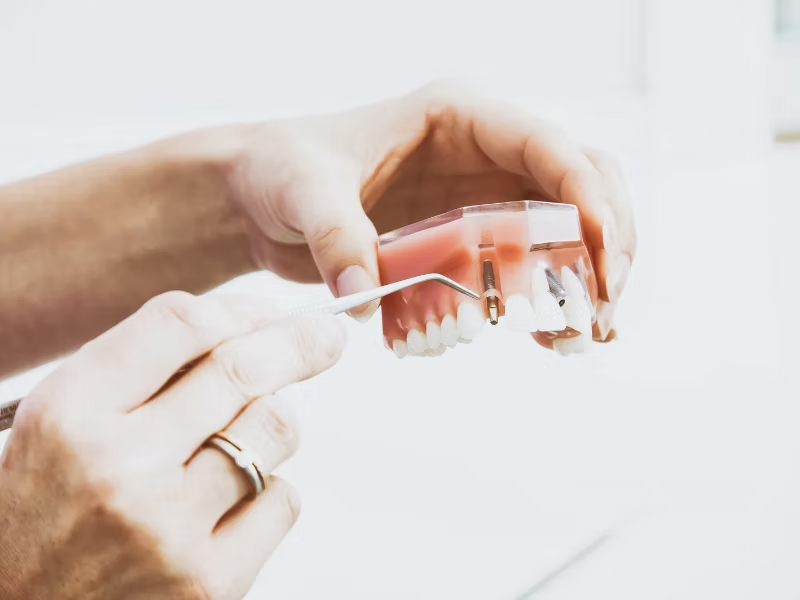
Implant-supported or implant-retained dentures use dental implants placed in the jawbone to provide additional support or retention for replacement teeth.
Depending on the design, the denture may be removable for cleaning or form part of a fixed implant-supported restoration.

Our clinic is located in Johnsonville, welcoming patients from Newlands, Churton Park, Broadmeadows and other Wellington suburbs.

An individual assessment can help determine whether an implant-based tooth replacement option is appropriate for your oral health and treatment goals.

Book a Dental Implant Consultation | Call 04 213 5355
Implant-Supported Denture Options in Johnsonville

Conventional dentures replace missing teeth by resting on the gums and, in some cases, relying on suction or support from remaining natural teeth.

Over time, changes in the jawbone and gum tissues may affect how a denture fits. Some patients experience movement, rubbing or discomfort, especially with lower dentures.

Implant-retained dentures use attachments connected to dental implants to help keep the denture in position.

For suitable patients, this can provide additional stability and reduce unwanted movement during daily activities.

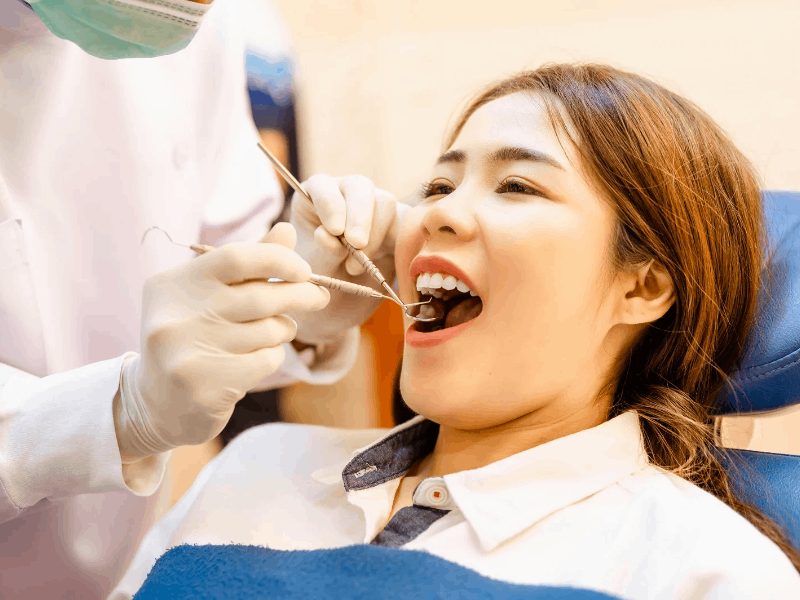
At Johnsonville Family Dentist, a dental consultation can help assess your existing dentures, remaining teeth, gum health and available replacement options.

Your dentist can explain whether an implant-supported restoration, conventional denture or another treatment may be appropriate.

Types of Implant Dentures

Removable Implant-Retained Dentures

Removable implant-retained dentures are designed to attach to implants through specialised connectors.

Patients can remove the denture for cleaning, while the attachments provide additional retention when the denture is worn.

These restorations are sometimes described as snap-in dentures.

Depending on the design, the denture may continue to receive some support from the gum tissues.

Locator or Stud Attachment Dentures

Some removable dentures use stud-style attachments that connect the implant fixtures with matching components inside the denture.

These systems are designed to help secure the denture while still allowing removal for cleaning.

The attachment components can wear over time and may need periodic replacement.
The specific attachment system used depends on the clinician’s assessment and available treatment options.

Bar-Retained Implant Dentures

A bar-retained denture uses a connecting bar attached to implants to help retain or support the denture.

The denture engages with the bar through compatible attachments.

This design may be considered for selected patients, depending on the number and position of implants and the available space.

Fixed Implant-Supported Teeth

Some implant restorations are secured to the implants and are not routinely removed by the patient.

These are often described as full-arch implant-supported bridges rather than conventional removable dentures.

They require different cleaning methods and maintenance arrangements.
Your dental team can explain the distinction and whether fixed or removable treatment may be suitable.

What Are Implant-Supported Dentures?

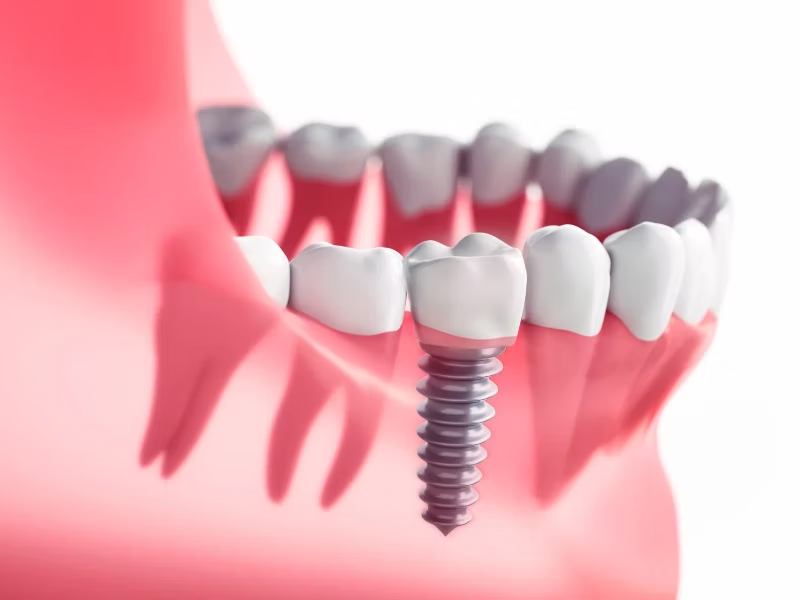
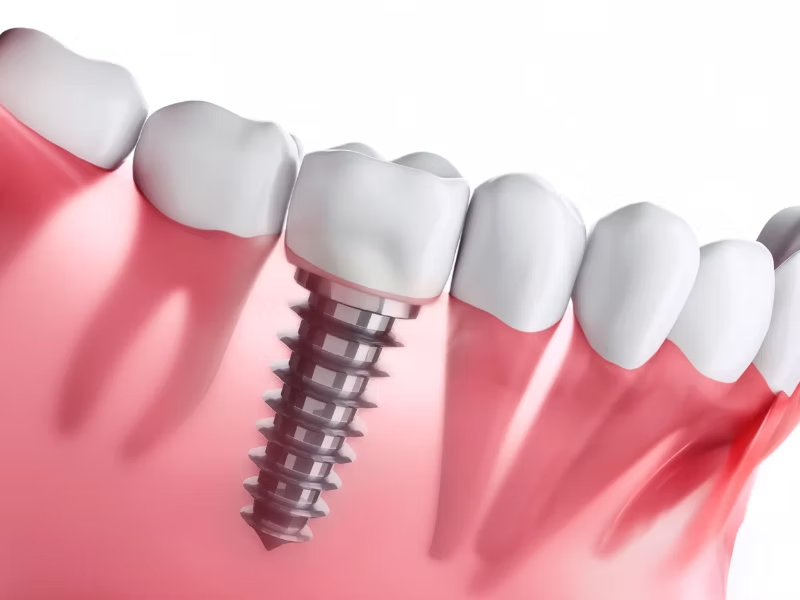
Implant-supported dentures are replacement teeth connected to implants positioned within the jawbone.

A dental implant is a small artificial root fixture, commonly made from titanium or a titanium alloy. Once integrated with the surrounding bone, it can provide support or retention for a dental prosthesis.

An implant denture system may involve:

  • Dental implants placed in suitable areas of the jawbone
  • Connectors or attachments fitted to the implants
  • A custom-designed denture or prosthesis
  • Ongoing cleaning, review and maintenance

The design varies according to whether the denture is removable or fixed, how much support comes from the implants and the condition of the jawbone.

Not every patient requires the same number of implants or type of attachment.

Benefits of Implant-Supported Dentures

Improved Denture Stability
Implant attachments may help reduce unwanted movement compared with a conventional denture that rests solely on the gums.

Improved Chewing Function
For some patients, greater denture stability can make chewing more comfortable and improve function.
The degree of improvement depends on the denture design and individual circumstances.

Reduced Reliance on Denture Adhesives
Certain implant-retained dentures may reduce the need for adhesive products, although this depends on the restoration and fit.

Better Denture Retention
A denture that is adequately retained may be less likely to move unexpectedly during speaking or eating.

Removable Cleaning Options
Removable implant-retained dentures can be taken out for cleaning, allowing access to the denture and the implant attachment areas.

Long-Term Tooth Replacement Option
Implant-retained dentures can provide a long-term restorative option for suitable patients.
However, implants, attachments and dentures require regular maintenance and may eventually need repair or replacement.

Implant-Supported Dentures vs Traditional Dentures

Conventional Dentures
Conventional full dentures rest on the gum tissues and are held in position through their fit, suction and muscle control.

They do not require implant surgery and may be suitable for patients who prefer a non-surgical option.
However, some patients experience movement or changes in denture fit over time.

Implant-Retained Dentures
Implant-retained dentures attach to implants to improve retention.
They require appropriate implant support and additional treatment stages.

The patient may be able to remove the denture for cleaning.

Fixed Implant-Supported Restorations
Fixed implant restorations are attached to implants and are usually removed only by a clinician.

They may offer a different experience from removable dentures but require careful planning, cleaning and professional maintenance.

There is no single option that is right for everyone. Suitability depends on the available bone, oral health, treatment expectations and costs.

Who May Be Suitable for Implant-Supported Dentures?

Implant-retained dentures may be considered for patients who are missing multiple teeth or have difficulty maintaining the stability of conventional dentures.

Factors affecting suitability include:

Jawbone Volume and Quality
Dental implants require appropriate bone support. Additional imaging may be necessary to assess the available bone.
Some patients may require bone augmentation or an alternative treatment approach.

Gum and Oral Health
Active gum disease and other oral health conditions may need treatment before implant therapy.

General Health
Medical conditions, medications, healing capacity and other factors may influence surgical treatment decisions.

Smoking
Smoking can increase the likelihood of implant complications and difficulties with healing.

Ability to Maintain the Restoration
Implants and dentures require regular cleaning and professional reviews.
A detailed assessment helps determine whether the expected benefits justify the treatment requirements and risks.

How Much Do Implant-Supported Dentures Cost in Wellington?

Implant-supported denture costs vary considerably because treatment may involve both implant surgery and prosthetic restoration.

Cost factors include:

  • Consultation and diagnostic imaging
  • Number of implants
  • Implant placement and surgical complexity
  • Bone grafting or preliminary procedures
  • Type of denture or fixed restoration
  • Attachment systems
  • Dental laboratory work
  • Temporary dentures
  • Follow-up appointments
  • Ongoing maintenance and component replacement

A removable implant-retained denture may have different costs from a fixed implant-supported full-arch restoration.

After an assessment, your dental team can explain the proposed treatment stages and provide information about expected costs.

Contact Johnsonville Family Dentist for current consultation and treatment information.

Can Existing Dentures Be Converted to Implant-Retained Dentures?

Some existing dentures may be adaptable to implant attachment systems, but not every denture is suitable.

The decision depends on factors such as:

  • Denture condition and age
  • Available space for attachments
  • Denture strength and material
  • Bite alignment
  • Jawbone and implant positions
  • Current denture fit

In some cases, a new denture may be recommended instead.
An examination is required to determine the appropriate approach.

Are Implant-Supported Dentures Suitable for the Upper and Lower Jaw?

Implant-retained dentures may be considered for either the upper or lower jaw.

Lower full dentures can be more difficult to retain because of tongue movement and the shape of the supporting tissues. Additional implant retention may be helpful for selected patients.

Upper-jaw treatment has different anatomical and biomechanical considerations and may require a different number or arrangement of implants.

The appropriate treatment design must be planned individually.

Risks and Limitations of Implant Dentures

Implant treatment is not suitable for everyone and involves potential complications.

These may include:

  • Pain, swelling or bleeding after surgical placement
  • Infection or delayed healing
  • Failure of an implant to integrate with bone
  • Inflammation or bone loss around implants
  • Loosening or wear of attachment components
  • Denture fracture or damage
  • Ongoing need for adjustments and maintenance
  • Discomfort or difficulties adapting to the restoration

The treating clinician will discuss individual risks and alternative options before proceeding.

Caring for Implant-Supported Dentures

Regular care is important for the denture, attachment system and surrounding oral tissues.

Cleaning Removable Implant Dentures
Removable implant dentures generally need to be removed and cleaned according to the clinician’s instructions.
A suitable denture brush and recommended cleaning products may be used.
Avoid cleaning methods that could damage the denture material or attachment components.

Cleaning Around Implants
The areas around implant attachments require careful cleaning to help manage plaque and inflammation.
Your clinician can demonstrate suitable brushes and other cleaning aids.

Professional Maintenance
Routine dental appointments help identify wear, changes in fit or inflammation around implants.
Attachments, clips or inserts may need replacement.

When to Contact Your Dentist
Seek professional advice if you notice pain, bleeding, swelling, a loose attachment, a damaged denture or a change in retention.

Implant-Supported Dentures in Johnsonville – Serving Wellington Patients

Johnsonville Family Dentist welcomes patients seeking advice about denture stability and implant-based tooth replacement.

Our clinic is located in Johnsonville and welcomes patients from nearby suburbs, including:

  • Johnsonville
  • Newlands
  • Churton Park
  • Broadmeadows
  • Grenada Village
  • Other Wellington suburbs

Johnsonville Family Dentist
Level 1, Suite 6/120 Johnsonville Road, Johnsonville, Wellington

Phone: 04 213 5355

Contact our clinic to discuss your current dentures, missing teeth or possible restorative treatment options.

What are implant-supported dentures?

They are replacement teeth connected to dental implants placed in the jawbone. Different designs provide varying degrees of denture retention and support.

What are snap-in dentures?

Snap-in dentures are removable dentures that attach to compatible implant connectors. They can be taken out for cleaning.

Are implant dentures better than regular dentures?

Implant-retained dentures may offer improved stability for suitable patients, but they involve additional procedures, costs and maintenance. Conventional dentures remain appropriate for many people.

Can implant-supported dentures be removed?

Some designs are removable, while fixed full-arch restorations are normally removed only by a clinician.

How many implants are needed to support dentures?

The number depends on the jaw, available bone, denture design and treatment plan. Some lower removable overdentures use two implants, while other designs require more.

How long does treatment take?

Treatment frequently involves several months of planning and healing, although timelines depend on individual needs and the procedures required.

How much do implant-supported dentures cost in Wellington?

Costs vary depending on implant numbers, surgical procedures, denture design, attachments and maintenance requirements. An individual assessment is needed for an estimate.

Can I have implant dentures if I have bone loss?

Some patients with bone loss may still have treatment options, but additional procedures or a different restoration may be necessary.

Book a Denture and Dental Implant Consultation in Wellington

If your current dentures feel unstable or you are exploring options for replacing multiple missing teeth, Johnsonville Family Dentist can help you arrange a consultation to discuss suitable dental care.

An examination can help determine whether conventional dentures, implant-retained dentures or another restorative option may be appropriate.

Johnsonville Family Dentist
Level 1, Suite 6/120 Johnsonville Road, Johnsonville, Wellington

Phone: 04 213 5355
Book an Appointment Online

"*" indicates required fields

Name*
Emergency Appointment