Dental Veneers Wellington – Composite &
Porcelain Options

Book a dental appointment04 213 5355

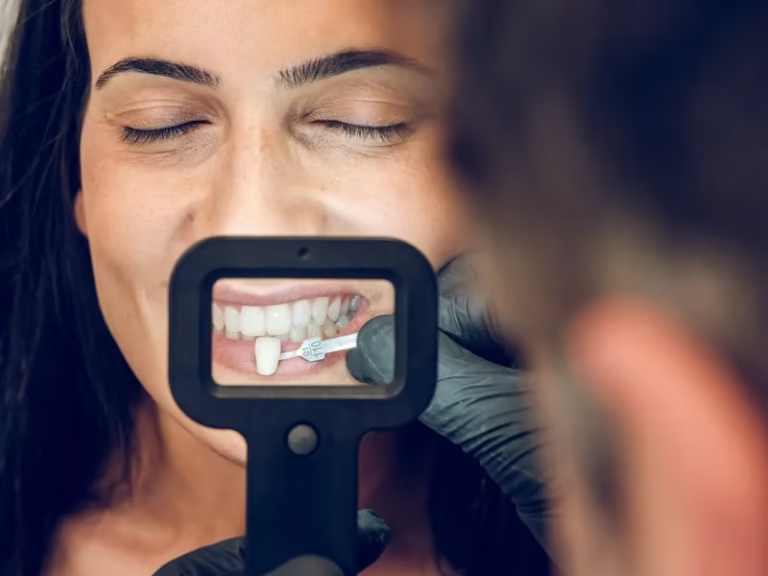
Are you concerned about chipped, uneven or discoloured teeth? Dental veneers in Wellington may be an option for improving the appearance of selected teeth.

At Johnsonville Family Dentist, veneers are among the cosmetic dental treatments patients can discuss with their dentist. Veneers are thin restorations placed on the front surface of teeth to change their visible colour, shape or proportions.

Different materials and treatment approaches are available, and not every tooth is suitable for veneers. A dental assessment can help determine whether composite veneers, porcelain veneers or a more conservative alternative may be appropriate.

Located in Johnsonville, our clinic welcomes patients from Newlands, Churton Park, Broadmeadows and surrounding Wellington suburbs.

Book a Dental Veneers Consultation | Call 04 213 5355

Dental Veneers in Johnsonville

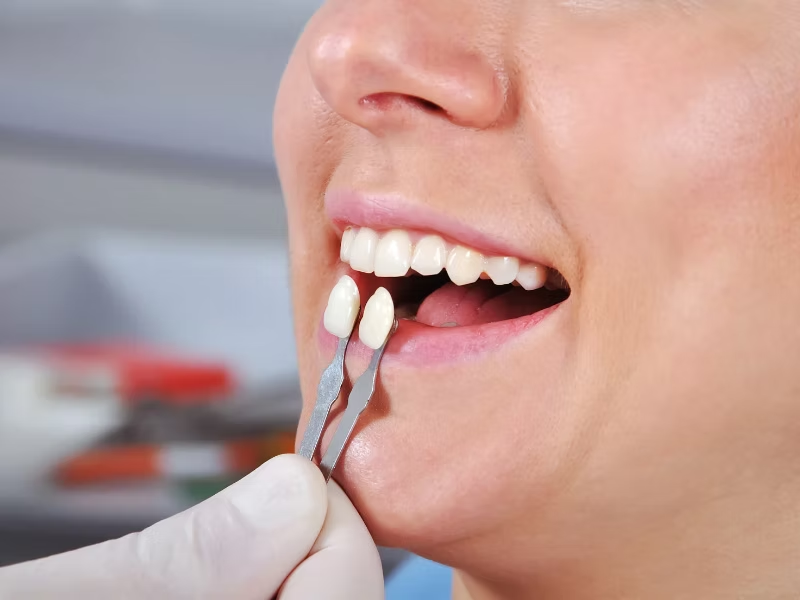
Dental veneers are custom-shaped restorations designed to cover part of the visible front surface of a tooth.

They may be considered for selected cosmetic concerns, including:

  • Chipped or uneven tooth edges
  • Discolouration that does not respond adequately to whitening
  • Differences in tooth shape or size
  • Small spaces between teeth
  • Minor irregularities in the appearance of teeth
  • Selected areas of tooth wear

Veneers change the appearance of the tooth surface but do not correct every underlying dental problem.

Your dentist will assess your natural teeth, gums, bite and existing restorations before recommending treatment.

The aim is to select an appropriate option while preserving healthy natural tooth structure wherever possible.

Composite Veneers vs Porcelain Veneers

Both materials may improve the appearance of selected teeth, but there are differences.

Treatment Process

Direct composite veneers are commonly shaped onto the teeth during an appointment.

Porcelain veneers generally require impressions or scans and a separate manufacturing stage.

Tooth Preparation

Some composite treatments may require little tooth preparation.

Porcelain veneers often require preparation, although the amount varies according to the treatment design.

Neither option should automatically be described as requiring no removal of tooth structure.

Appearance and Staining

Both materials can be selected to complement surrounding teeth.

Composite resin may develop surface staining or changes in polish over time.

Porcelain generally has good colour stability, although the surrounding natural teeth and restoration margins can still change in appearance.

Maintenance and Repair

Composite veneers may sometimes be repaired directly.
Porcelain veneers can also fracture or become detached, and replacement may be necessary depending on the problem.

Cost
Porcelain veneers often involve laboratory work and may cost more than direct composite veneers.
The appropriate choice depends on clinical suitability, expectations, maintenance requirements and treatment costs.

Who May Be Suitable for Dental Veneers?

Veneers may be considered when a patient has specific appearance-related concerns and sufficient healthy tooth structure.

Before recommending treatment, your dentist may assess:

  • Tooth decay and existing fillings
  • Gum health
  • Enamel thickness and remaining tooth structure
  • Bite alignment
  • Tooth wear
  • Teeth grinding or clenching
  • Existing tooth sensitivity
  • Colour and shape of neighbouring teeth
  • Expectations about the proposed result

Active dental disease may need treatment before veneers are considered.
If a tooth is heavily damaged, a dental crown or another restoration may be more appropriate.

For significant tooth misalignment, orthodontic treatment may be a more suitable option than veneers.

Dental Veneers vs Teeth Whitening

Professional whitening aims to lighten the colour of natural teeth.

Veneers change the visible tooth surface using a restorative material.

Whitening may be more conservative when the main concern is tooth discolouration and the natural teeth are otherwise suitable.

Whitening does not predictably lighten existing veneers, crowns or fillings.

If a patient plans both whitening and veneers, the treatment sequence should be discussed before the final veneer shade is selected.

Related Service: Teeth Whitening Wellington

Dental Veneers vs Dental Crowns

Veneers and crowns are used for different purposes.

A veneer primarily covers the visible front surface of a tooth and is commonly considered for selected cosmetic concerns.

A dental crown covers substantially more of the prepared tooth and may be recommended when significant structural protection is needed.

If a tooth has extensive decay, a large fracture or substantial previous restoration, a crown may be more appropriate.

Related Service: Dental Crowns Wellington

What Happens During Dental Veneer Treatment?

The procedure depends on the material used and the teeth being treated.

Step 1 – Dental Consultation
Your dentist discusses your concerns and examines your teeth, gums and bite.
The consultation may include discussion of veneers, composite bonding, whitening, crowns or other treatment options.

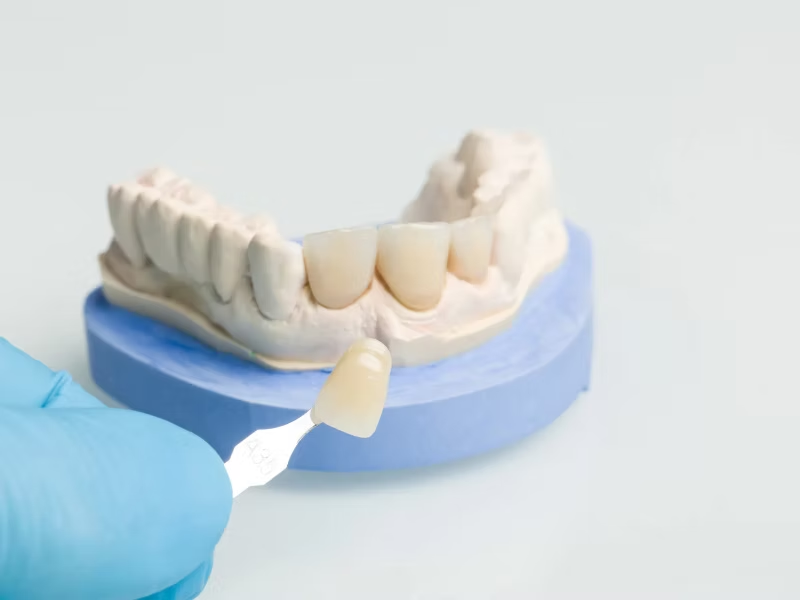
Step 2 – Shade and Treatment Planning
The dentist considers the tooth shape, colour and proportions appropriate for your mouth.
Any proposed changes, limitations and costs should be explained before treatment.

Step 3 – Tooth Preparation
For direct composite veneers, the tooth may need limited preparation before the material is applied.
Porcelain veneers may require removal of some enamel and an impression or scan.
The amount of preparation depends on the clinical situation.

Step 4 – Veneer Placement
Composite resin is shaped and hardened on the tooth when a direct technique is used.
Laboratory-made porcelain veneers are checked and bonded to the prepared teeth once ready.

Step 5 – Bite Check and Review
Your dentist checks the appearance, bite and fit of the restorations.
Follow-up or maintenance may be recommended.
The number of appointments depends on the material, treatment plan and number of teeth involved.

Risks and Limitations of Dental Veneers

Dental veneers are elective restorations and should be considered carefully.

Potential risks and limitations include:

  • Irreversible removal of enamel in some treatments
  • Temporary or persistent tooth sensitivity
  • Chipping or fracture of veneer material
  • Veneer detachment
  • Colour changes or staining, particularly with composite resin
  • Gum irritation
  • Problems with bite or appearance
  • Need for future repair or replacement

Veneers cannot treat active gum disease or correct every dental alignment problem.

Your dentist should discuss suitable alternatives and the long-term maintenance requirements before treatment.

How Long Do Dental Veneers Last?

Veneers can function for many years with appropriate care, but there is no guaranteed lifespan.

Longevity depends on:

  • Veneer material and design
  • Remaining tooth structure
  • Bite and grinding forces
  • Oral hygiene
  • Diet and habits
  • Accidental trauma
  • Regular dental maintenance

Composite veneers may need polishing or repair, while porcelain veneers may eventually require recementation or replacement.

Your dentist can explain the expected maintenance considerations for your proposed restoration.

Caring for Your Dental Veneers

Good oral hygiene and sensible care help maintain veneers and the supporting teeth.

Your dentist may recommend:

  • Brushing twice daily with fluoride toothpaste
  • Cleaning between teeth regularly
  • Avoiding biting hard objects such as pens or ice
  • Discussing teeth grinding and suitable protective measures
  • Attending regular dental examinations
  • Reporting chips, looseness or persistent discomfort

Veneers do not prevent decay or gum disease from developing around the natural teeth.

How Much Do Dental Veneers Cost in Wellington?

The cost of dental veneers depends on the material, number of teeth and treatment complexity.

Factors affecting fees include:

  • Composite or porcelain materials
  • Number of veneers required
  • Tooth preparation
  • Existing dental restorations
  • Bite or gum health considerations
  • Laboratory work where required
  • Additional treatment or follow-up needs

Composite and porcelain veneers may involve different fees.
Following a dental assessment, your dentist can explain appropriate options and provide an estimated cost.

For current veneer consultation and pricing information, call 04 213 5355.

Dental Veneers in Johnsonville – Serving Wellington Patients

Johnsonville Family Dentist welcomes patients seeking cosmetic dental consultations from Johnsonville and surrounding Wellington suburbs, including Newlands, Churton Park, Broadmeadows and Grenada Village.

Address: Level 1, Suite 6/120 Johnsonville Road, Johnsonville, Wellington

Phone: 04 213 5355

Contact our team to discuss concerns about tooth colour, shape, chips or uneven edges.

What are dental veneers?

Veneers are thin restorations placed on the visible surface of selected teeth to change their appearance.

What is the difference between composite and porcelain veneers?

Composite veneers use tooth-coloured resin, while porcelain veneers use ceramic restorations commonly made outside the mouth. They differ in preparation, cost, staining and maintenance.

Are dental veneers permanent?

Some veneer treatments involve irreversible enamel preparation. The veneers themselves may need maintenance, repair or replacement over time.

Does getting veneers hurt?

Local anaesthetic may be used when tooth preparation is necessary. Temporary sensitivity or discomfort is possible.

Can veneers fix crooked teeth?

Veneers may change the appearance of minor irregularities, but they do not physically straighten tooth roots or correct underlying bite problems. Orthodontic treatment may be more suitable.

Can I get a veneer on just one tooth?

A single veneer may be appropriate in selected cases, although matching its colour and appearance to neighbouring teeth can be challenging.

How long do veneers last?

Longevity varies according to the material, tooth condition, bite, habits and maintenance. Repair or replacement may eventually be necessary.

How much do veneers cost in Wellington?

Costs depend on the material, number of teeth and treatment complexity. Contact the clinic for current fees and an individual estimate.

Book a Dental Veneers Consultation in Wellington

If you are considering veneers for chipped, uneven or discoloured teeth, Johnsonville Family Dentist can help you explore the available cosmetic treatment options.

A consultation allows your dentist to assess your oral health, discuss your expectations and explain whether veneers or another approach may be appropriate.

Johnsonville Family Dentist
Level 1, Suite 6/120 Johnsonville Road, Johnsonville, Wellington

Phone: 04 213 5355
Book an Appointment Online

"*" indicates required fields

Name*
Emergency Appointment