Dental Crowns Wellington – Restore &
Protect Damaged Teeth

Book a dental appointment04 213 5355

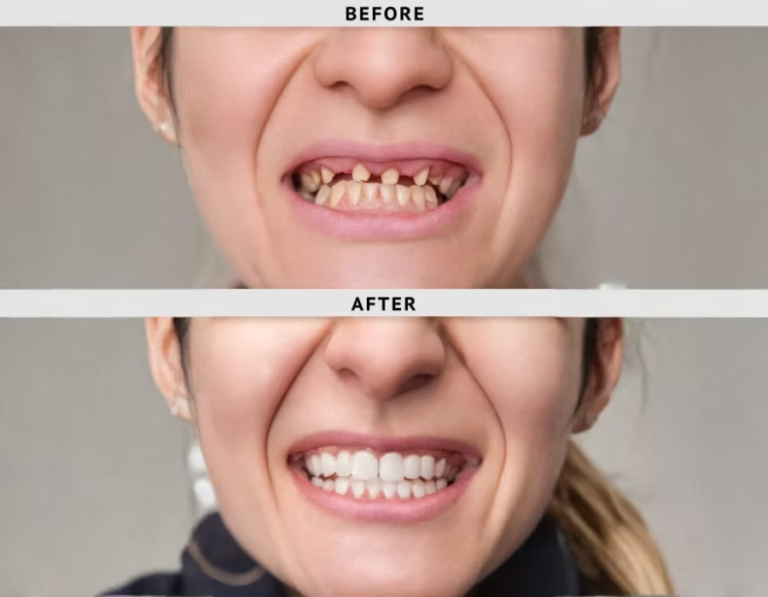
Do you have a cracked tooth, a large filling or a tooth that has become weakened? Dental crowns in Wellington may help restore the appearance, strength and function of damaged teeth.

At Johnsonville Family Dentist, dental crowns are one of the restorative options available when a tooth needs more coverage than a conventional filling can provide.

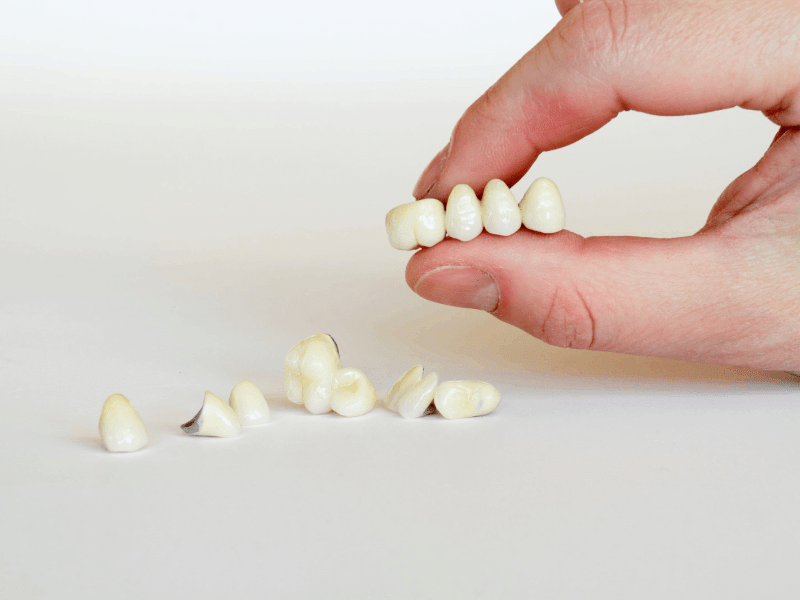
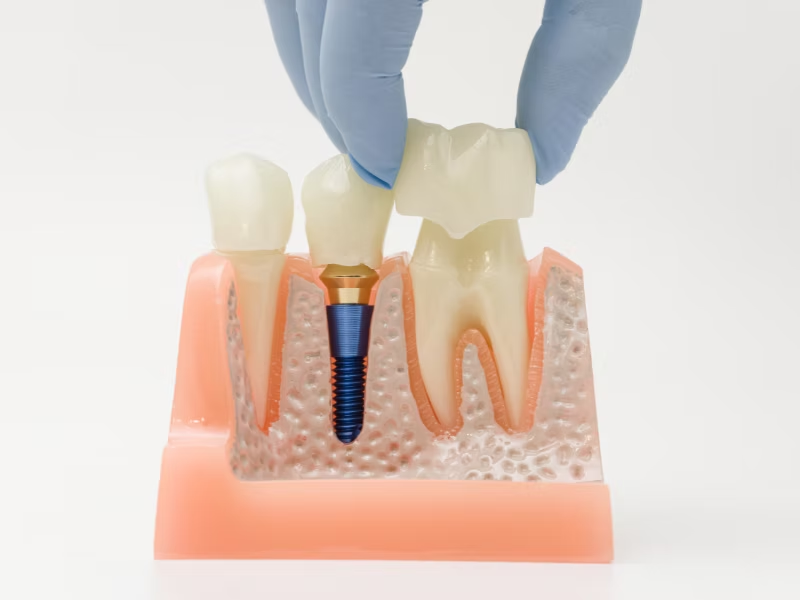
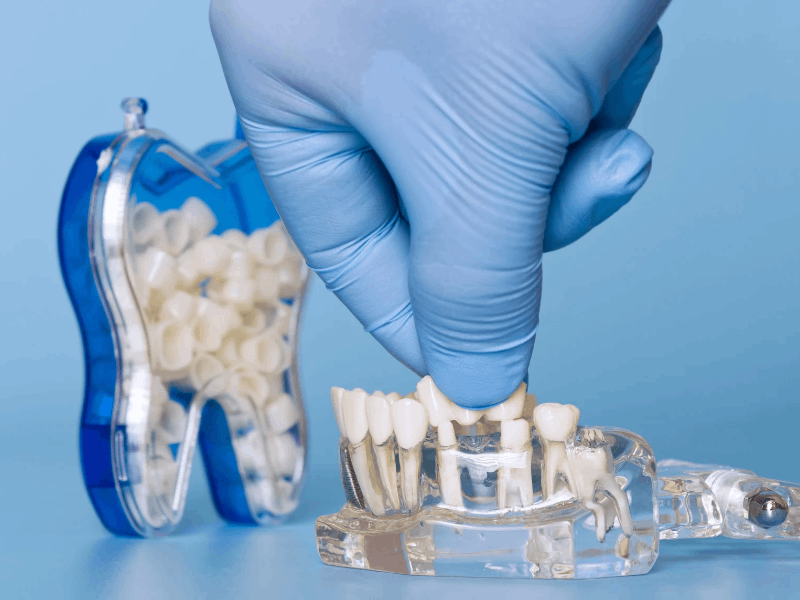
A dental crown is a custom-made restoration that fits over a prepared tooth, helping rebuild its shape and protect the remaining tooth structure.

Our clinic in Johnsonville welcomes patients from Newlands, Churton Park, Broadmeadows and surrounding Wellington suburbs.
Book a Dental Crown Consultation | Call 04 213 5355

Dental Crown Treatment in Johnsonville

Dental crowns are designed to restore teeth affected by substantial decay, fractures, wear or previous dental treatment.

A crown covers the prepared tooth, helping restore its shape, chewing function and appearance.

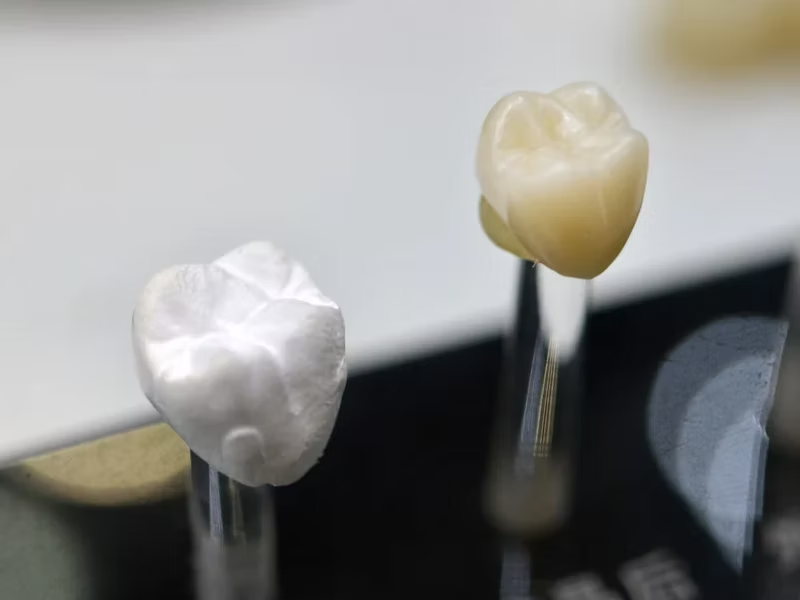
Crowns may be made from ceramic, zirconia, gold or other suitable materials. Each has different properties, and the choice depends on the tooth’s position, remaining structure, appearance requirements and biting forces.

At Johnsonville Family Dentist, your dentist will examine the affected tooth and discuss whether a crown, filling or another restoration is suitable.

When Might You Need a Dental Crown?

Cracked or Broken Teeth
A dental crown may help restore and protect certain cracked or fractured teeth.
However, some fractures extend too deeply for a crown to provide a predictable solution.

Teeth After Root Canal Treatment
Some teeth become more vulnerable to fracture because of the decay or damage that led to root canal treatment.

A crown may be recommended, particularly for back teeth exposed to substantial chewing forces.
Not every root canal-treated tooth requires a crown.

Changes to Tooth Shape or Appearance
A crown may sometimes be considered to restore a tooth’s shape or appearance when more conservative treatment options are unsuitable.

Your dentist will explain the available options before recommending treatment.

Worn or Weakened Teeth
Teeth affected by significant wear or structural damage may benefit from a crown when a smaller restoration is insufficient.

Teeth with Large Fillings
A tooth with an extensive filling may have less remaining natural structure.
A crown may be recommended when additional coverage or protection is needed

Types of Dental Crowns

Dental crowns are made using different restorative materials.
Ceramic and Porcelain Crowns
Ceramic crowns can be designed to resemble natural teeth in colour and appearance.
They may be suitable for front or back teeth depending on the ceramic material, tooth condition and biting forces.

Zirconia Crowns
Zirconia is a strong ceramic material used for dental crowns.
It may be suitable for selected teeth where structural durability and tooth-coloured appearance are important considerations.

Gold Crowns
Gold-alloy crowns have been used in dentistry for many years.
They may be considered for selected back teeth where function and material properties are important, although they have a metallic appearance.

Porcelain-Fused-to-Metal Crowns
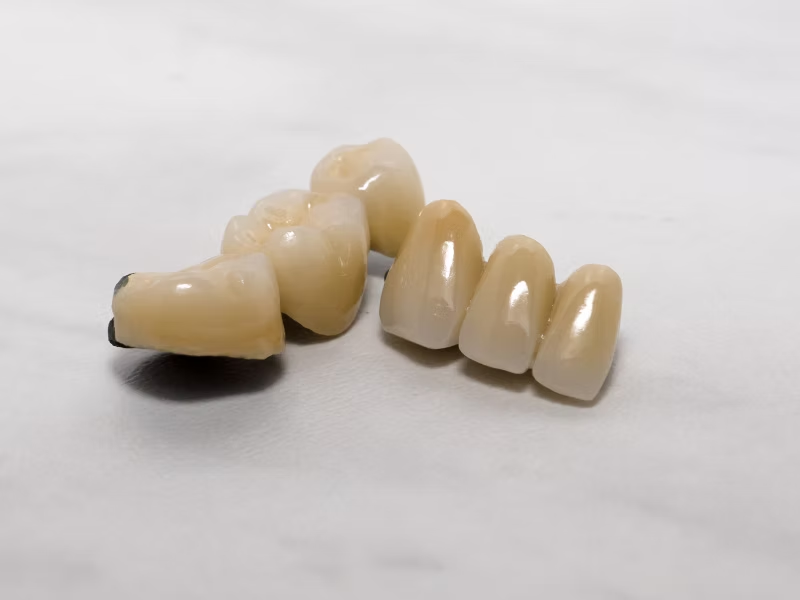
Porcelain-fused-to-metal crowns combine a metal framework with an outer porcelain layer.
They can provide tooth-coloured coverage supported by a metal structure.
However, the porcelain may chip or wear, and a metal margin may become visible near the gums over time.
Your dentist will recommend a suitable crown material based on your tooth’s condition and treatment requirements.

Caring for a Temporary Dental Crown

If a temporary crown is fitted while your permanent restoration is being manufactured, some additional care may be needed.

Your dentist may recommend that you:

  • Avoid very hard or sticky foods.
  • Brush carefully around the temporary crown.
  • Follow specific advice about flossing.
  • Avoid chewing directly on the temporary crown if instructed.
  • Contact the clinic if the temporary crown becomes loose or damaged.

If your temporary crown falls off, do not attempt to reattach it with household glue.
Contact Johnsonville Family Dentist for advice.

What Happens During a Dental Crown Procedure?

Johnsonville Family Dentist’s existing service information describes a process that commonly involves two appointments.

Step 1 – Examination and Treatment Planning
Your dentist examines the affected tooth and may recommend dental X-rays to assess its condition.
The consultation includes discussion of the proposed crown, other available treatments and estimated costs.

Step 2 – Tooth Preparation
The tooth is carefully prepared to create sufficient space for the restoration.
Local anaesthetic may be used when appropriate.

Step 3 – Impressions and Temporary Crown
An impression or digital scan is taken to help manufacture a crown that fits the prepared tooth.
If the final crown is being made in a dental laboratory, a temporary crown may be fitted to protect the tooth between appointments.

Step 4 – Custom Crown Manufacture
The final crown is manufactured using the selected restorative material.

Step 5 – Final Crown Fitting
At the next appointment, your dentist checks the crown’s fit, appearance and bite.
Once suitable, the crown is secured to the prepared tooth.
The number of appointments can vary depending on individual treatment requirements.

Dental Crown or Dental Filling – Which Do You Need?

A dental filling repairs a damaged portion of a tooth and is often appropriate for smaller cavities or fractures.

A dental crown covers more of the tooth and may be recommended when significant tooth structure has been lost or additional protection is needed.

Inlays and onlays may also be considered in selected cases.

The appropriate restoration depends on the size of the damage, condition of the tooth and expected chewing forces.

Related Service: Dental Fillings Wellington

Dental Crowns After Root Canal Treatment

After root canal treatment, a tooth requires an appropriate final restoration.

Some root-treated teeth, particularly molars with significant structural loss, may benefit from crown coverage to reduce the risk of fracture.

However, a crown is not automatically necessary after every root canal.

Your dentist will assess the remaining tooth structure and recommend a suitable restoration.

Related Service: Root Canal Treatment Wellington

Dental Crown or Veneer – What's the Difference?

Dental crowns and veneers are different types of restorations.

A dental crown generally covers most or all of the visible portion of a prepared tooth and may be recommended when substantial restoration or structural protection is required.

A dental veneer usually covers the front surface of a tooth and may be considered for selected appearance-related concerns.

The appropriate option depends on the condition of the tooth, the amount of natural structure remaining and the patient’s treatment goals.

Your dentist can explain whether a crown, veneer or a more conservative restoration is suitable.

How Much Does a Dental Crown Cost in Wellington?

Dental crown costs depend on the tooth’s condition, the restorative material and the treatment required.
Factors affecting fees may include:

  • Consultation and dental X-rays
  • Tooth position
  • Crown material
  • Tooth preparation requirements
  • Dental laboratory work
  • Temporary crown requirements
  • Additional restorative treatment

A tooth requiring root canal treatment or another procedure may involve additional fees.
Following an examination, your dentist can explain the recommended treatment and estimated costs.
For current dental crown pricing, contact Johnsonville Family Dentist on 04 213 5355.

How Long Do Dental Crowns Last?

Dental crowns can function for many years with appropriate care, but their lifespan varies.
Factors influencing their longevity include:

  • Crown material and design
  • Amount of remaining natural tooth structure
  • Oral hygiene
  • Teeth grinding and biting forces
  • Gum health
  • Decay around crown margins
  • Regular dental maintenance

Crowns may eventually require repair, recementation or replacement.
The crown material itself does not develop tooth decay, but the natural tooth around or beneath it can still be affected.

Possible Problems After Dental Crown Treatment

Dental crowns are commonly used to restore damaged teeth, but complications can occur.
Possible problems include:

  • Temporary tooth or gum sensitivity
  • Discomfort when biting
  • A crown that feels too high
  • A loose or dislodged crown
  • Chipping or fracture of restorative material
  • Tooth decay around crown margins
  • Persistent pain or inflammation requiring further assessment

In some cases, a heavily damaged tooth may require additional treatment, including root canal treatment.
If your crown feels uncomfortable, becomes loose or causes persistent pain, contact your dentist for assessment.

Caring for Your Dental Crown

Dental crowns require ongoing oral hygiene and regular dental reviews.
To help maintain your restoration:

  • Brush twice daily with fluoride toothpaste.
  • Clean between your teeth regularly.
  • Avoid chewing while local anaesthetic remains active.
  • Follow any temporary crown instructions.
  • Discuss teeth grinding with your dentist if relevant.
  • Attend recommended dental examinations.
  • Contact the clinic if your crown becomes damaged or loose.

Your dentist can provide further advice based on your individual restoration.

Dental Crowns in Johnsonville – Serving Wellington Patients

Johnsonville Family Dentist welcomes patients seeking restorative dental care from Johnsonville and nearby Wellington suburbs.
Our clinic is conveniently located for patients from Newlands, Churton Park, Broadmeadows, Grenada Village and surrounding areas.

Johnsonville Family Dentist
Level 1, Suite 6/120 Johnsonville Road, Johnsonville, Wellington

Phone: 04 213 5355
Contact our team if you have a cracked tooth, a large filling or a tooth that may require additional protection.

What is a dental crown?

A dental crown is a custom-made restoration that covers a prepared tooth to restore its shape, function and appearance.

When is a dental crown needed?

A crown may be recommended when a tooth has substantial damage, a large filling, a fracture or significant structural weakness.

Is getting a dental crown painful?

Local anaesthetic may be used during preparation. Some temporary tenderness or sensitivity can occur afterwards.

How many appointments are needed for a dental crown?

Johnsonville Family Dentist’s existing information describes a process usually involving two appointments, although this may vary.

Which dental crown material is best?

The choice depends on the tooth’s position, remaining structure, appearance requirements and biting forces.

Do I need a crown after root canal treatment?

Not always. Your dentist will assess whether the tooth requires crown coverage or another final restoration.

What if my temporary crown falls off?

Contact your dentist for advice. Keep the crown safe if possible and avoid chewing on the affected tooth. Do not use household glue to reattach it.

Can a dental crown come loose?

Yes. Crown cement or other components may deteriorate over time. Contact your dentist if the crown feels loose or comes off.

How much does a dental crown cost in Wellington?

Fees vary according to the crown material, tooth condition and treatment complexity. Contact the clinic for an individual estimate.

Book a Dental Crown Consultation in Wellington

If you have a damaged, cracked or weakened tooth, Johnsonville Family Dentist can assess your dental condition and discuss suitable restorative treatment options.
Johnsonville Family Dentist
Level 1, Suite 6/120 Johnsonville Road, Johnsonville, Wellington
Phone: 04 213 5355
Book an Appointment Online

Contact Johnsonville Family Dentist

"*" indicates required fields

Name*
Emergency Appointment