

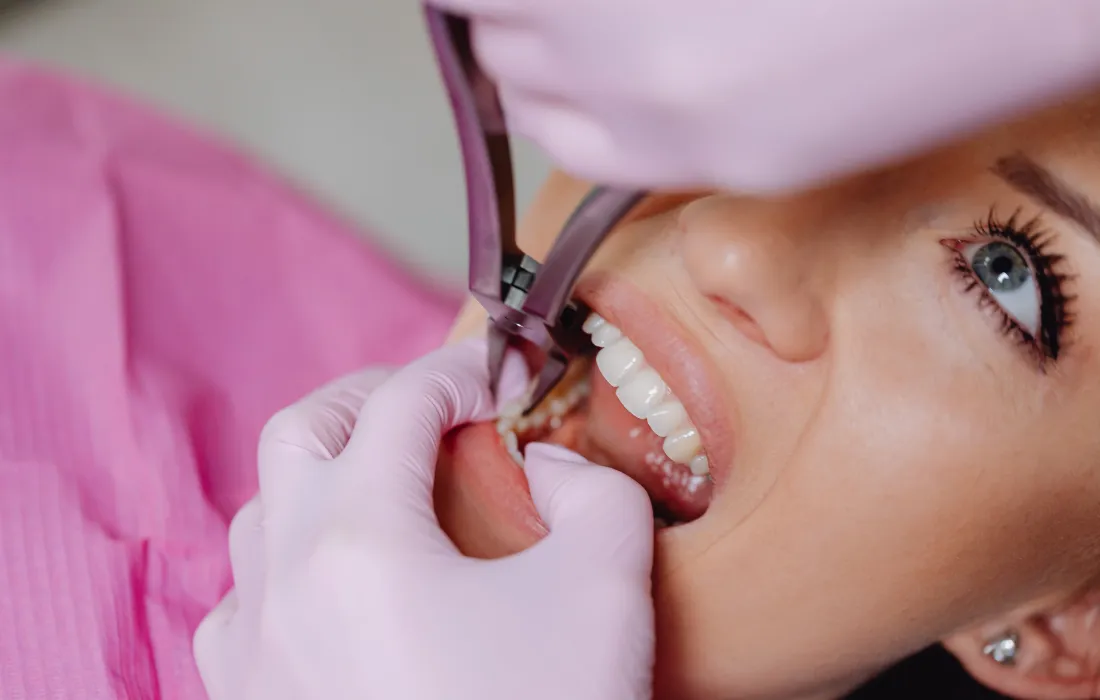
A damaged or infected tooth does not always need to be removed. In many cases, root canal treatment can help remove infection from inside the tooth while preserving the natural tooth structure.
If you are experiencing persistent toothache, sensitivity or swelling, seeing a dentist early can help determine whether root canal treatment is appropriate.
Johnsonville Family Dentist provides family-focused dental care for patients in Johnsonville and surrounding Wellington suburbs, including assessment and treatment for teeth affected by infection or damage.
What Is Root Canal Treatment?
Root canal treatment is a dental procedure used to treat problems affecting the soft tissue inside a tooth, commonly called the dental pulp.
The pulp contains nerves and blood vessels. If it becomes inflamed or infected because of deep decay, cracks, trauma or other damage, the tooth may cause significant discomfort.
During root canal treatment, the dentist removes the affected tissue, cleans and disinfects the inside of the tooth, then seals it to help prevent further infection.
The goal is generally to preserve the natural tooth rather than remove it.
What Are the Signs You May Need Root Canal Treatment?
Not every toothache means you need a root canal. However, certain symptoms can indicate that the inside of the tooth may be affected.
Common warning signs include:
- Persistent or severe toothache
- Sensitivity to hot or cold
- Pain when biting or chewing
- Swelling around the tooth
- Tender or swollen gums
- A recurring gum boil or pimple near the tooth
- Tooth discolouration
- Pain that continues after exposure to hot or cold foods
- A cracked or severely damaged tooth
Some infected teeth may cause little or no pain. This is why regular dental examinations can be important, particularly when there is known decay or previous dental trauma.
What Causes a Tooth to Need Root Canal Treatment?
Several problems can damage the pulp inside a tooth.
Deep Tooth Decay
Untreated decay can gradually move deeper into the tooth. If bacteria reach the pulp, inflammation or infection may develop.
Dental Trauma
A tooth that has suffered an injury can experience damage to the pulp, even when the external damage is not immediately obvious.
Cracks or Fractures
A crack can allow bacteria to reach deeper parts of the tooth. Depending on the location and severity of the damage, root canal treatment may be considered.
Repeated Dental Procedures
A tooth that has undergone multiple procedures may become more vulnerable to pulp problems.
What Happens During Root Canal Treatment?
The exact procedure depends on the tooth and extent of the infection, but treatment generally involves several stages.
1. Examination and Diagnosis
Your dentist will examine the tooth and discuss your symptoms. Dental X-rays may be recommended to assess the tooth and surrounding structures.
The dentist will then explain whether root canal treatment is appropriate or whether another treatment would be more suitable.
2. Numbing the Tooth
Local anaesthetic is used to numb the treatment area. This helps keep you comfortable during the procedure.
If you feel particularly anxious about dental treatment, discuss this with your dentist before your appointment. Suitable comfort or sedation options may be available depending on your circumstances.
3. Cleaning the Root Canals
The dentist creates access to the inside of the tooth and carefully removes infected or damaged pulp tissue.
The root canal spaces are cleaned and disinfected to reduce bacteria and remove affected material.
4. Sealing the Tooth
Once the canals have been cleaned and prepared, they are filled and sealed.
The tooth may then require further restoration to protect it and restore normal function.
5. Restoring the Tooth
Depending on how much tooth structure remains, a filling or dental crown may be recommended.
A crown can provide additional protection for a tooth that has lost substantial structure, although the appropriate restoration depends on the individual tooth.
Is Root Canal Treatment Painful?
The treatment itself is performed under local anaesthetic, so you should not normally experience the sharp pain associated with an untreated infected tooth during the procedure.
Some tenderness or discomfort can occur after treatment as the surrounding tissues settle.
Your dentist will explain how to manage post-treatment discomfort and when you should contact the practice if symptoms do not improve as expected.
How Long Does Root Canal Treatment Take?
Treatment time varies depending on the tooth, the complexity of the root canals and the severity of the infection.
Some cases can be completed in a single appointment, while others may require more than one visit.
Your dentist can explain the expected treatment schedule after examining your tooth.
What Is Recovery Like After Root Canal Treatment?
You may experience some sensitivity or tenderness after treatment. This usually settles as the tooth and surrounding tissues recover.
During recovery:
- Follow your dentist’s aftercare instructions.
- Take any recommended medication as directed.
- Be cautious when chewing until your dentist confirms the tooth is ready for normal function.
- Maintain regular brushing and interdental cleaning.
- Attend any follow-up appointments recommended by your dentist.
Contact your dental practice if you develop increasing pain, swelling or other symptoms that concern you.
What Happens If a Tooth Cannot Be Saved?
Root canal treatment is intended to preserve a natural tooth, but it is not suitable for every situation.
If a tooth has extensive structural damage or cannot be predictably restored, extraction may sometimes be recommended.
When a tooth is removed, your dentist can discuss replacement options. Depending on your oral health and individual circumstances, these may include a dental bridge, denture or dental implant.
For a broader look at tooth replacement options, read our guide to Dental Implants Wellington.
Root Canal Treatment Wellington: Why Early Assessment Matters
Ignoring persistent dental pain does not make the underlying problem disappear. An infection can potentially become more complicated when treatment is delayed.
If you have ongoing tooth pain, sensitivity, swelling or discomfort when chewing, arrange a dental assessment rather than relying on pain relief alone.
Johnsonville Family Dentist provides dental care for patients in Johnsonville and nearby Wellington suburbs. The team can assess symptoms, explain available treatment options and help you understand the next steps.
Frequently Asked Questions
How do I know if I need root canal treatment?
Persistent toothache, prolonged sensitivity to hot or cold, pain when biting, swelling or a damaged tooth can indicate a problem with the dental pulp. A dentist needs to examine the tooth to confirm the cause.
Can a root canal save my natural tooth?
In many cases, root canal treatment is used specifically to preserve a natural tooth that would otherwise potentially require extraction. However, suitability depends on the condition and restorability of the tooth.
How long does a root canal take?
Treatment time varies according to the tooth and complexity of the case. Some treatments may be completed in one appointment, while others require multiple visits.
Will I need a crown after root canal treatment?
Not every tooth automatically requires a crown. The recommended restoration depends on the amount of remaining tooth structure, the tooth’s location and its condition.
What should I do if I have severe tooth pain?
Arrange a dental assessment as soon as possible. If severe pain is accompanied by significant swelling, difficulty swallowing, difficulty breathing or rapidly worsening symptoms, seek urgent medical or dental care.
Final Thoughts
Root canal treatment can be an effective way to manage an infected or damaged tooth while preserving the natural tooth.
If you are experiencing persistent toothache, sensitivity, swelling or pain when chewing, do not assume that extraction is your only option. A professional examination can determine whether root canal treatment or another approach is appropriate.
For patients searching for root canal treatment Wellington, Johnsonville Family Dentist can assess your symptoms and discuss suitable treatment options.
If a tooth cannot be saved and needs to be replaced, our Dental Implants Wellington guide explains the process, benefits and other important considerations.
Book your appointment today and experience the difference at Johnsonville Family Dentist.
Call Us: 04 213 5355
Email: reception@johnsonvillefamilydentist.co.nz
Visit Us: Level 1, Suite 6/120 Johnsonville Road, Johnsonville
Take the first step towards a healthier, brighter smile—contact Johnsonville Family Dentist today!