Call usBook Now
Skip to main content

Dental Night Guards Wellington – Teeth
Grinding Protection

Book a dental appointment04 213 5355
Untitled design (17)

Do you wake up with a sore jaw, notice worn teeth or suspect that you grind your teeth while sleeping? Dental night guards in Wellington may help protect your teeth from damage associated with grinding and clenching.

At Johnsonville Family Dentist, patients can arrange a dental assessment to discuss signs of teeth grinding, also known as bruxism, and whether a night guard may be appropriate.

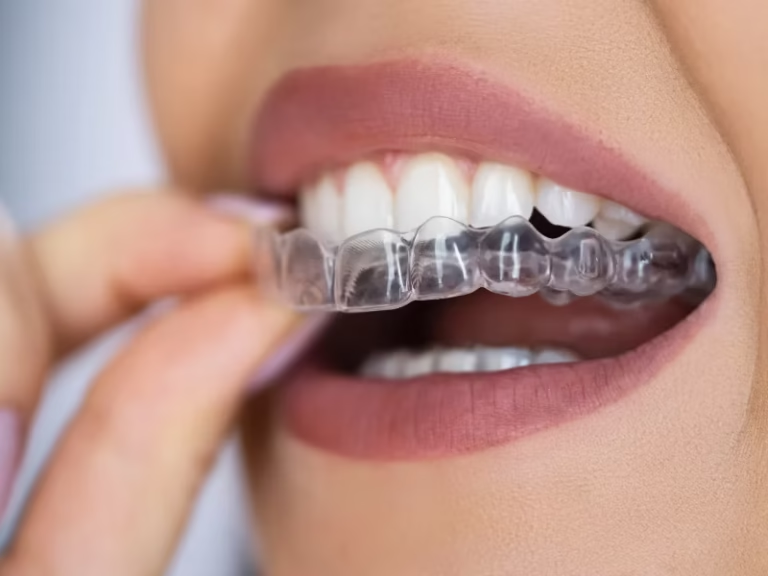
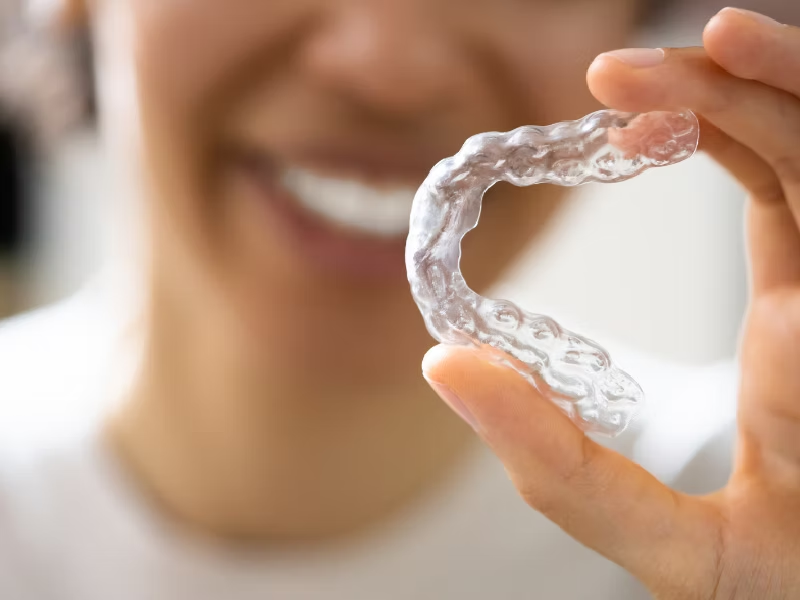
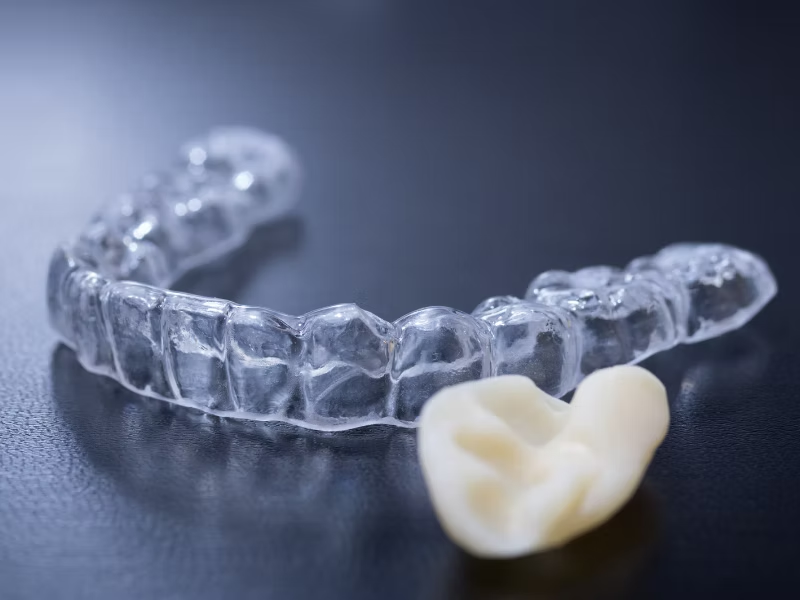
A custom-fitted night guard is a removable dental appliance worn over the teeth, usually during sleep. It creates a protective barrier between the upper and lower teeth and may help reduce certain effects of grinding.

Our Johnsonville clinic welcomes patients from Newlands, Churton Park, Broadmeadows and surrounding Wellington suburbs.
Book a Dental Assessment | Call 04 213 5355

Custom Dental Night Guards in Johnsonville

Dental night guards, sometimes called occlusal splints, are designed to protect teeth from excessive contact and wear.

Teeth grinding and clenching can place considerable pressure on natural teeth and existing dental restorations.

Over time, this may contribute to tooth wear, fractures, sensitivity and damage to fillings or crowns.
A custom-fitted appliance may be recommended after your dentist assesses your teeth, bite, jaw function and symptoms.

A night guard does not necessarily stop the grinding habit itself, but it may help protect teeth from some of its effects.

Untitled Design (29)

How Can a Dental Night Guard Help?

Protect Natural Teeth

A night guard provides a protective surface between the upper and lower teeth.
It may help reduce direct tooth-to-tooth damage associated with grinding.

Protect Dental Restorations

Patients with crowns, fillings or other restorations may benefit from protection against excessive grinding forces in selected cases.

Manage Tooth Wear Risk

An appropriately designed appliance may help reduce further mechanical damage to teeth.

Support an Individual Management Plan

A night guard may form part of a broader approach to managing bruxism and related dental concerns.
Its effects on jaw pain, muscle symptoms and headaches vary. Additional assessment or treatment may be required.

Untitled Design (30)

What Is Bruxism?

Bruxism refers to repetitive activity involving the jaw muscles, including grinding or clenching the teeth.
It can occur while sleeping or when awake.

Sleep Bruxism
Sleep bruxism occurs during sleep. People may be unaware of it unless a partner hears grinding sounds or a dentist identifies signs of wear.

Awake Bruxism
Awake bruxism often involves clenching or prolonged tooth contact while concentrating, working or experiencing stress.

The causes are varied, and bruxism does not always indicate that dental treatment is necessary.

Your dentist can assess whether it is causing damage or symptoms requiring management.

Signs You May Be Grinding or Clenching Your Teeth

Possible signs include:

  • Flattened or worn tooth surfaces
  • Chipped or cracked teeth
  • Repeated damage to fillings or crowns
  • Tooth sensitivity
  • Jaw muscle tenderness
  • Discomfort on waking
  • Grinding noises reported by a sleeping partner
  • Frequent daytime clenching

These symptoms can have other causes.
For example, jaw pain and headaches do not automatically mean that a person has bruxism. A dental assessment can help identify appropriate next steps.

Custom Night Guards vs Over-the-Counter Mouthguards

Custom-fitted dental night guards are designed using records of an individual’s teeth and bite.

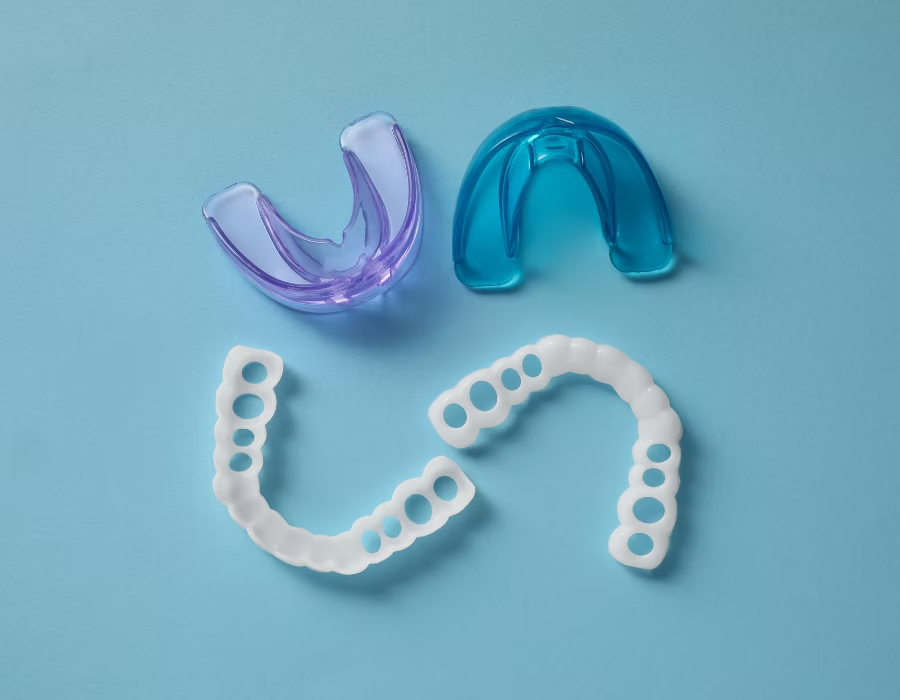
Over-the-counter mouthguards generally come in standard sizes or use heat-mouldable materials.

A professionally made appliance can be adjusted to suit the patient’s dental anatomy and treatment needs.

However, the best appliance design depends on the clinical situation.

Poorly fitting appliances may be uncomfortable or unsuitable, particularly
where a patient has significant dental restorations or jaw symptoms.

Your dentist can explain whether a custom night guard is appropriate.

What Happens During a Night Guard Appointment?

Untitled Design (31)

Step 1 – Dental Examination
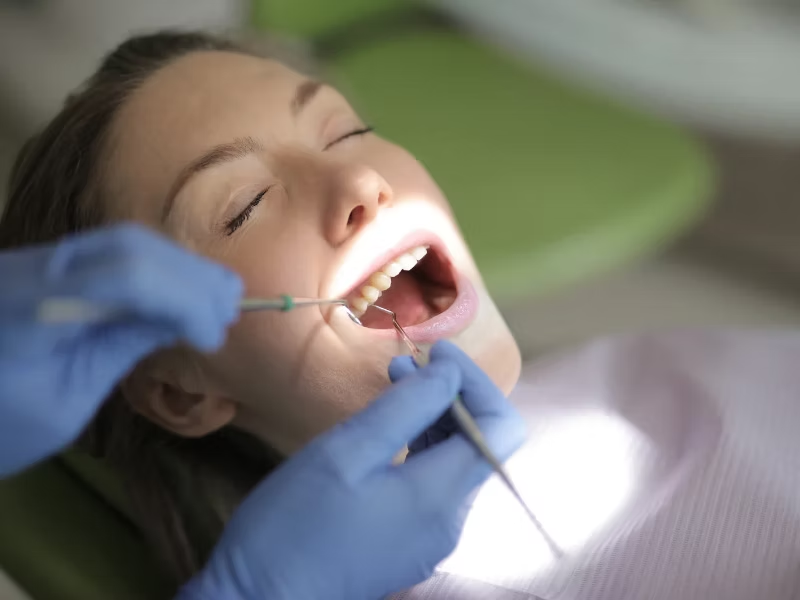
Your dentist examines your teeth for signs of wear, fractures and other concerns.
They may also discuss jaw discomfort, clenching habits, sleep-related symptoms and previous treatment.

Step 2 – Assessing Suitability
The dentist considers whether a night guard is likely to help protect your teeth or whether further investigation is needed.

Step 3 – Dental Impressions or Scan
If a custom appliance is recommended, an impression or digital scan may be taken to record the shape of your teeth.

Step 4 – Appliance Manufacture
The night guard is manufactured according to the prescribed design and material.

Step 5 – Fitting and Instructions
Your dentist checks the appliance’s fit and provides instructions about wearing, cleaning and storing it.

Further adjustment or review may be needed.
The actual stages and appointment arrangements depend on the appliance provided.

Dental Night Guards vs Sports Mouthguards

Dental night guards and sports mouthguards are designed for different purposes.

Dental Night Guards
Night guards are primarily used to help protect teeth from damage caused by grinding or clenching.

They are usually designed for use during sleep.

Sports Mouthguards
Sports mouthguards are designed to reduce the risk and severity of dental injuries during sporting activities.

A night guard should not automatically be used as a replacement for a properly designed sports mouthguard.

Your dentist can advise on the appropriate appliance for your needs.

Can Night Guards Help with Jaw Pain or Headaches?

Some people who grind or clench their teeth also experience jaw muscle discomfort or headaches.

However, these symptoms have many possible causes.

A dental night guard may help protect teeth, but its effect on jaw pain varies. It should not be presented as a guaranteed treatment for temporomandibular disorders.

If you experience persistent jaw pain, limited mouth opening, joint locking or frequent headaches, arrange an assessment.

Patients who snore heavily, experience breathing pauses during sleep or have significant daytime sleepiness may require medical assessment for sleep-related breathing disorders.

An ordinary night guard is not a treatment for obstructive sleep apnoea.

Managing Daytime Teeth Clenching

Some people clench their teeth while concentrating, driving or working.

If you notice this habit, your dentist may recommend becoming more aware of prolonged tooth contact.

When relaxed and not eating, the teeth are generally slightly apart rather than held tightly together.

Taking brief breaks, relaxing the jaw muscles and reviewing stress-related habits may be useful.

Persistent symptoms should be assessed rather than managed solely with self-care.

How to Clean and Care for Your Night Guard

Proper cleaning helps keep your appliance hygienic and in suitable condition.

General care may include:

  • Rinsing the appliance after use
  • Cleaning it as directed with an appropriate brush and cleaning product
  • Avoiding hot or boiling water that may distort the material
  • Storing it in a clean, ventilated protective case
  • Keeping it away from pets
  • Bringing it to dental reviews so its fit and condition can be checked

Follow the cleaning instructions supplied for your particular appliance.

If the guard cracks, becomes loose, causes discomfort or no longer fits properly, contact your dentist.

How Long Does a Dental Night Guard Last?

The lifespan of a night guard depends on its material, design, grinding forces and maintenance.

Some appliances may show signs of wear over time, particularly in patients with significant grinding activity.

A night guard may require adjustment, repair or replacement.

Your dentist can check whether the appliance continues to fit and provide suitable protection.

How Much Does a Dental Night Guard Cost in Wellington?

The cost of a night guard depends on the appliance design and treatment requirements.

Factors affecting fees may include:

  • Initial consultation and assessment
  • Appliance material
  • Impression or scanning requirements
  • Laboratory manufacture
  • Fitting and adjustment appointments
  • Additional dental treatment, if required

Your dental team can explain the recommended appliance and estimated costs after an assessment.

For current night guard pricing, contact Johnsonville Family Dentist on 04 213 5355.

Untitled Design (32)

Dental Night Guards in Johnsonville – Serving Wellington

Johnsonville Family Dentist welcomes patients seeking advice about teeth grinding, clenching and dental night guards from Johnsonville and surrounding Wellington suburbs.

Our clinic is conveniently located for patients from Newlands, Churton Park, Broadmeadows, Grenada Village and nearby areas.

Address: Level 1, Suite 6/120 Johnsonville Road, Johnsonville, Wellington
Phone: 04 213 5355

What is a dental night guard?

A night guard is a removable appliance worn over the teeth, usually during sleep, to help protect against grinding-related damage.

How do I know if I grind my teeth?

Possible signs include tooth wear, fractures, sensitivity and grinding noises. A dental examination can help assess these findings.

Will a night guard stop teeth grinding?

Not necessarily. It is primarily intended to provide protection against the effects of grinding.

Are custom night guards better than store-bought guards?

Custom appliances are designed for an individual’s teeth and clinical needs. Your dentist can advise which approach is suitable.

Can a night guard help with jaw pain?

Some patients may experience changes in symptoms, but the effect varies. Persistent jaw pain needs appropriate assessment.

Is a night guard the same as a sports mouthguard?

No. These appliances are designed for different purposes.

How long does a night guard last?

Lifespan varies depending on material, use, grinding intensity and maintenance.

How much does a dental night guard cost in Wellington?

Fees depend on the appliance and treatment requirements. Contact the clinic for current pricing.

Untitled Design (2)

Book a Dental Night Guard Consultation in Wellington

If you suspect that you grind or clench your teeth, Johnsonville Family Dentist can assess your dental health and discuss suitable protective options.

Johnsonville Family Dentist
Level 1, Suite 6/120 Johnsonville Road, Johnsonville, Wellington
Phone: 04 213 5355
Book an Appointment Online

Contact Johnsonville Family Dentist

Dental Night Guards

"*" indicates required fields

Name*
Emergency Appointment