Call usBook Now
Skip to main content

Tooth Extraction Wellington – Tooth Removal
& Dental Care

Book a dental appointment04 213 5355
CLASSIC HOMES (2)

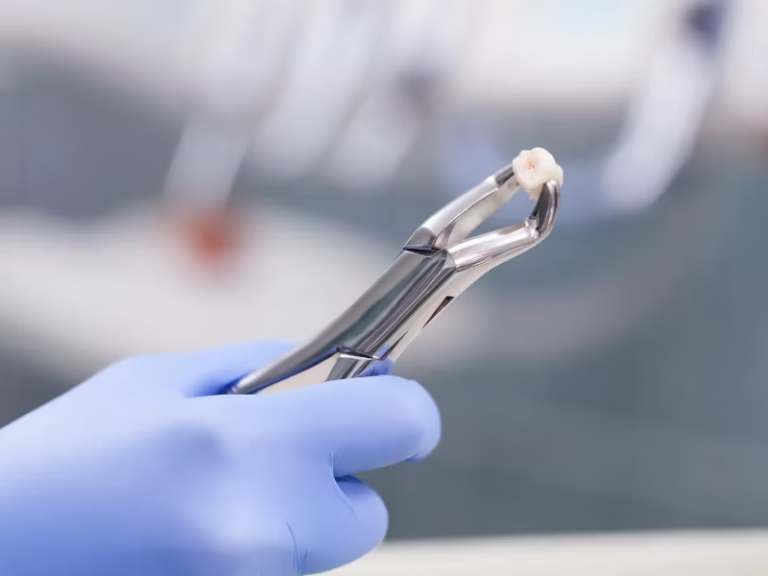
Do you have a severely damaged tooth, persistent toothache or a dental problem that may require removal? Johnsonville Family Dentist provides dental assessments and tooth extraction services in Wellington from our clinic in Johnsonville.

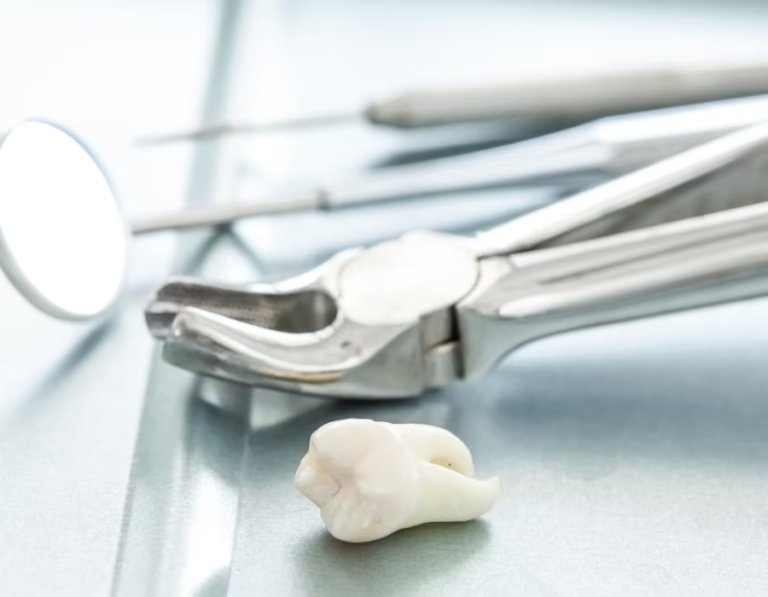
Although keeping natural teeth is generally preferred, some teeth cannot be predictably restored due to extensive decay, fractures, infection or advanced gum disease. In these situations, tooth extraction may be recommended to address the dental problem and prevent further complications.

Our dental team will assess your tooth, explain suitable treatment options and discuss what to expect before proceeding.

We welcome patients from Johnsonville, Newlands, Churton Park, Broadmeadows and surrounding Wellington suburbs.
Book a Tooth Extraction Consultation | Call 04 213 5355

When Is a Tooth Extraction Needed?

A tooth extraction may be recommended for several reasons.

Severe Tooth Decay
When decay has destroyed a substantial amount of tooth structure, restoring the tooth with a filling, crown or root canal treatment may no longer be practical.
Your dentist will assess whether the remaining tooth can be predictably restored before recommending extraction.

Advanced Gum Disease
Periodontal disease can damage the gum tissues and supporting bone around teeth.
In advanced cases, teeth may become loose or have insufficient support for long-term retention.
Extraction may be considered when periodontal treatment cannot provide a reasonable prognosis.

Cracked or Broken Teeth
Some cracked or fractured teeth can be repaired with fillings or crowns.
However, extensive fractures, particularly those extending below the gumline or into the root, may make a tooth unsuitable for restoration.

Orthodontic Treatment
In selected orthodontic cases, removing a tooth may be recommended to help achieve a planned alignment or manage limited space.
This decision should be based on an individual orthodontic assessment.

Untitled Design (3)

Painful or Impacted Wisdom Teeth
Wisdom teeth may require removal when they develop infection, decay, damage to adjacent teeth or other clinical problems.
Not all wisdom teeth need extraction.
Learn more about Wisdom Teeth Removal in Wellington.

Dental Infection or Abscess
A tooth affected by infection may sometimes be treated with root canal therapy.
If the tooth cannot be saved, extraction may be recommended to remove the source of infection.
Your dentist will discuss the options based on the diagnosis.

Tooth Extractions at Johnsonville Family Dentist

At Johnsonville Family Dentist, we understand that the possibility of having a tooth removed can cause concern.

Our approach begins with a thorough dental assessment to determine whether the tooth can be retained or whether extraction is the more appropriate treatment.

An examination and dental X-rays may be required to evaluate the tooth, surrounding gum tissues, roots and supporting bone.

If extraction is recommended, your dentist will explain the procedure, possible alternatives, expected recovery and relevant risks.

Treatment is planned according to the condition of your tooth and your individual health needs.

Why Timely Assessment of a Damaged Tooth Matters

A severely damaged or infected tooth can sometimes cause worsening pain, swelling or further oral health problems when left untreated.

Depending on the underlying condition, complications may include:

  • Persistent toothache
  • Localised infection or abscess formation
  • Damage to surrounding dental tissues
  • Increasing difficulty chewing
  • Further deterioration of the affected tooth

Not every damaged tooth needs immediate extraction. The urgency and appropriate treatment depend on the clinical findings.

If you have persistent or worsening symptoms, arrange a dental examination.

For rapidly spreading facial swelling, difficulty breathing or swallowing, seek emergency medical assistance immediately.

Types of Tooth Extraction

The type of extraction required depends on the tooth’s condition, position, root anatomy and surrounding tissues.

Simple Tooth Extraction

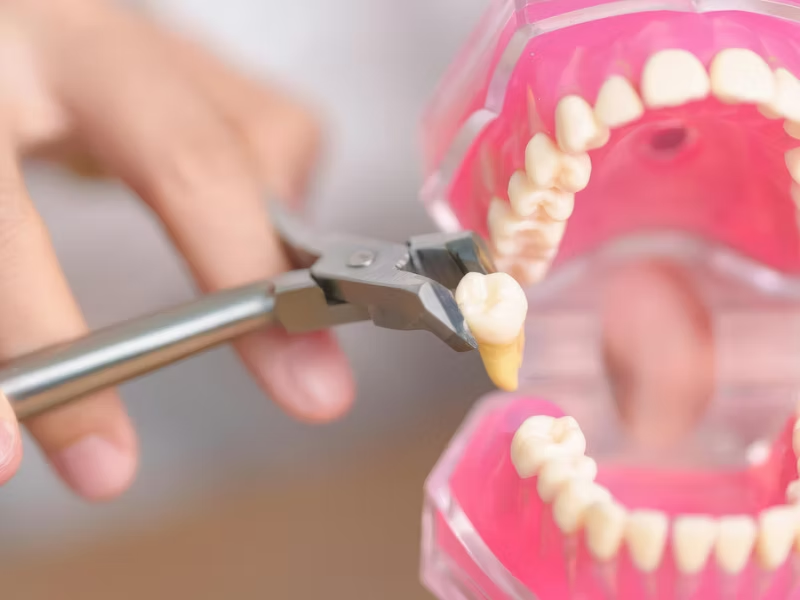
A simple extraction may be appropriate when the tooth is accessible and can be removed using standard dental instruments.

Local anaesthetic is commonly administered to numb the treatment area.
The dentist then carefully loosens and removes the tooth.

Surgical Tooth Extraction

A surgical extraction may be required when a tooth is broken below the gumline, difficult to access or has complex roots.

The procedure may involve opening the gum tissue and, where clinically necessary, removing a small amount of bone or dividing the tooth into sections.

Some complex cases may require referral to another treating clinician.

Your dentist will explain whether the procedure can be completed at the clinic or whether referral is appropriate.

Untitled Design

Does Tooth Extraction Hurt?

Many patients are concerned about discomfort during tooth removal.

Tooth extraction is commonly performed using local anaesthetic to numb the treatment area.

Although pressure or movement may be felt during the procedure, sharp pain should be reported to the dentist so the anaesthesia can be reassessed.

After the anaesthetic wears off, some tenderness, swelling or discomfort can occur.

The level of discomfort varies depending on the procedure, the condition of the tooth and individual healing.

If you feel anxious about dental treatment, speak with our team before your appointment so available options can be discussed.

What Happens During a Tooth Extraction Appointment?

Step 1 – Dental Examination

Your dentist will assess the affected tooth, ask about your symptoms and review relevant medical information.
Dental X-rays may be recommended to examine the tooth roots andsurrounding structures.

Step 2 – Discussion of Treatment Options

Before extraction, your dentist will explain whether alternatives are available.
Depending on the tooth, these may include a filling, root canal treatment, crown or other restorative procedure.
The risks, benefits and costs of the proposed treatment will be discussed.

Step 3 – Local Anaesthetic

Local anaesthetic is usually administered to numb the area before extraction.
You may feel pressure or movement during the procedure, but tell your dentist if you experience pain.

Step 4 – Tooth Removal

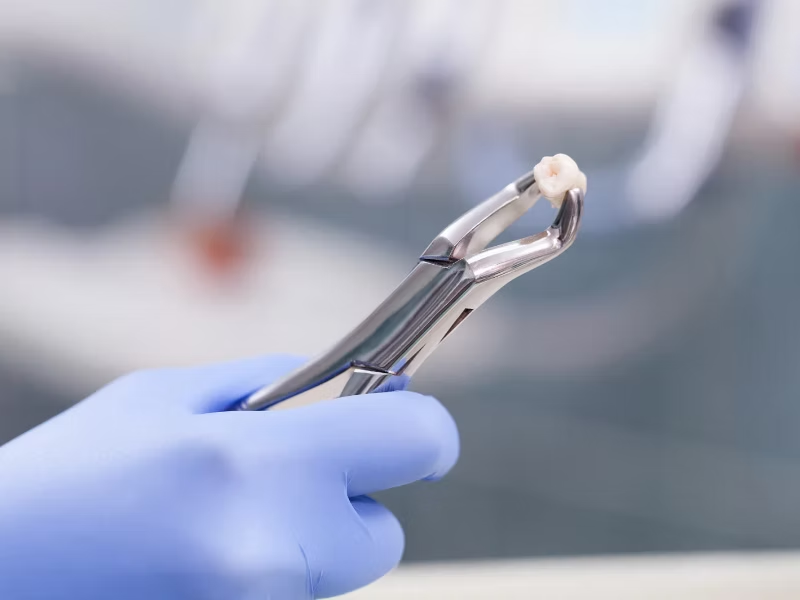
The dentist removes the tooth using techniques appropriate to its condition and position.
Some extractions are straightforward, while others require additional steps.

Step 5 – Bleeding Control and Aftercare

Once the tooth is removed, gauze may be placed over the extraction site to help control bleeding and support clot formation.

Your dentist will provide instructions for caring for the area during recovery.
Further appointments may be recommended where necessary.

Tooth Extraction Aftercare – What to Expect

Following tooth extraction, a blood clot normally forms within the socket. This clot helps protect the area during the early stages of healing.
Your dentist will provide specific instructions, which take priority over general advice.

During the First 24 Hours

  • Bite on gauze as directed if bleeding continues.
  • Avoid vigorous mouth rinsing or spitting.
  • Avoid smoking or vaping.
  • Avoid drinking through a straw.
  • Choose soft foods and avoid chewing on the extraction area.
  • Avoid strenuous physical activity if advised.
  • Take any recommended medication according to instructions.

Avoid disturbing the extraction site with your fingers or tongue.

After the First 24 Hours

Your dentist may recommend gentle warm saltwater rinses after the initial 24 hours, depending on the procedure.
Continue cleaning the other teeth, taking care around the extraction site.
Gradually return to normal foods as comfort allows and follow any specific dietary instructions.

When to Contact Your Dentist
Contact the clinic if you experience:

  • Bleeding that continues despite following instructions
  • Pain that becomes significantly worse
  • Increasing swelling
  • Fever or other symptoms of infection
  • An unpleasant taste or discharge
  • Concerns about healing

Seek emergency medical care for serious symptoms such as difficulty breathing or swallowing.

What Is Dry Socket After Tooth Extraction?

Dry socket, also called alveolar osteitis, is a painful complication that can occur after a tooth is removed.

It develops when the protective blood clot is lost or does not remain stable, leaving the underlying socket exposed.

Symptoms may include intense pain beginning or worsening a few days after extraction, sometimes radiating towards the ear.

Smoking, difficult extractions and other factors may increase the risk.

If you develop significant pain after an extraction, contact your dentist for assessment. Treatment may help manage discomfort while healing continues.

Untitled Design (3)

How Long Does It Take to Recover from Tooth Extraction?

Recovery depends on the tooth removed, the difficulty of the procedure and individual healing.

Mild discomfort and swelling are common during the first few days.

Many patients gradually return to their usual activities as symptoms improve, although more complex surgical extractions may require additional recovery time.

The gum tissues generally heal over the following weeks, while changes within the underlying bone can continue for several months.

Your dentist can explain the expected recovery for your particular extraction.

How Much Does Tooth Extraction Cost in Wellington?

The cost of tooth extraction depends on the type of procedure and the condition of the tooth.

Factors that may influence the price include:

  • Consultation and examination
  • Dental X-rays
  • Simple or surgical extraction
  • Tooth position and root complexity
  • Additional treatment requirements
  • Referral to another clinician if necessary
  • Follow-up care

A straightforward extraction may involve different costs from a complex surgical procedure.

Your dentist can explain the recommended treatment and estimated fees before proceeding.

For current pricing, contact Johnsonville Family Dentist on 04 213 5355
If extraction is associated with an eligible accidental dental injury, ACC assistance may be available, subject to its requirements.

Tooth Extraction or Root Canal Treatment – Which Is Better?

When a tooth is damaged or infected, extraction may not be the only option.

Root Canal Treatment
Root canal treatment aims to remove inflamed or infected tissue from inside a tooth and preserve the natural tooth where it can be restored.
This may be suitable when enough healthy tooth structure remains.

Tooth Extraction
Extraction removes the entire tooth and may be recommended when it cannot be predictably restored or retained.

After extraction, replacing the missing tooth may need consideration depending on the tooth’s position and function.

Your dentist will discuss the available options, likely outcomes, costs and treatment requirements.

Learn more about Root Canal Treatment Wellington.

Replacing a Missing Tooth After Extraction

Depending on which tooth is removed, replacing it may help restore chewing function and maintain the dental arch.

Possible options include:

Dental Implants
A dental implant can provide support for a replacement crown when suitable jawbone and oral health conditions are present.

Dental Bridges
A dental bridge replaces a missing tooth using support from neighbouring teeth or implants, depending on its design.

Partial Dentures
A removable partial denture may be used to replace one or more missing teeth.

No Immediate Replacement
In some circumstances, replacement may not be necessary or may be deferred. Your dentist can discuss the potential effects of leaving a space.

The appropriate choice depends on your oral health, preferences and clinical assessment.

Tooth Extraction in Johnsonville – Serving Wellington Patients

Johnsonville Family Dentist welcomes patients seeking dental assessments and tooth removal services across Wellington.

Our clinic is conveniently located for patients from:

  • Johnsonville
  • Newlands
  • Churton Park
  • Broadmeadows
  • Grenada Village
  • Other surrounding Wellington suburbs

Clinic Address:
Level 1, Suite 6/120 Johnsonville Road, Johnsonville, Wellington

Phone: 04 213 5355

If you are experiencing tooth pain or have been advised that extraction may be necessary, contact our team to arrange an assessment.

When does a tooth need to be extracted?

Extraction may be recommended when a tooth has severe decay, advanced periodontal damage, an unsuitable fracture or another condition that makes retention impractical.

Is tooth extraction painful?

Local anaesthetic is commonly used to numb the treatment area. Some pressure may be felt, and temporary discomfort can occur after treatment.

How long does a tooth extraction take?

The length of the appointment varies depending on the tooth, root anatomy and procedure complexity. Your dentist can explain the expected treatment time after assessment.

Can I eat after tooth extraction?

You can generally eat suitable soft foods after the procedure once it is safe to do so. Avoid chewing while the area is numb, and follow your dentist’s instructions.

Can I brush my teeth after extraction?

You should continue maintaining oral hygiene, but avoid disturbing the extraction site during early healing. Your dentist will advise how to clean around the area safely.

How long does bleeding last after extraction?

Some oozing is common during the early healing period. Follow the instructions for applying pressure with gauze. Contact the clinic if bleeding continues despite these measures.

Will I need stitches after a tooth extraction?

Some surgical extractions require stitches, while simpler extractions often do not. The need depends on the procedure.

Untitled Design (2)

Book a Tooth Extraction Consultation in Wellington

If you have a damaged tooth, persistent toothache or concerns about an infected tooth, Johnsonville Family Dentist can help assess the problem and explain suitable treatment options.

Your dentist will determine whether tooth extraction is necessary or whether the tooth may be retained.

Johnsonville Family Dentist
Level 1, Suite 6/120 Johnsonville Road, Johnsonville, Wellington
Phone: 04 213 5355
Book an Appointment Online

Contact Johnsonville Family Dentist today to schedule your consultation and protect your smile.

Untitled Design

"*" indicates required fields

Name*
Emergency Appointment